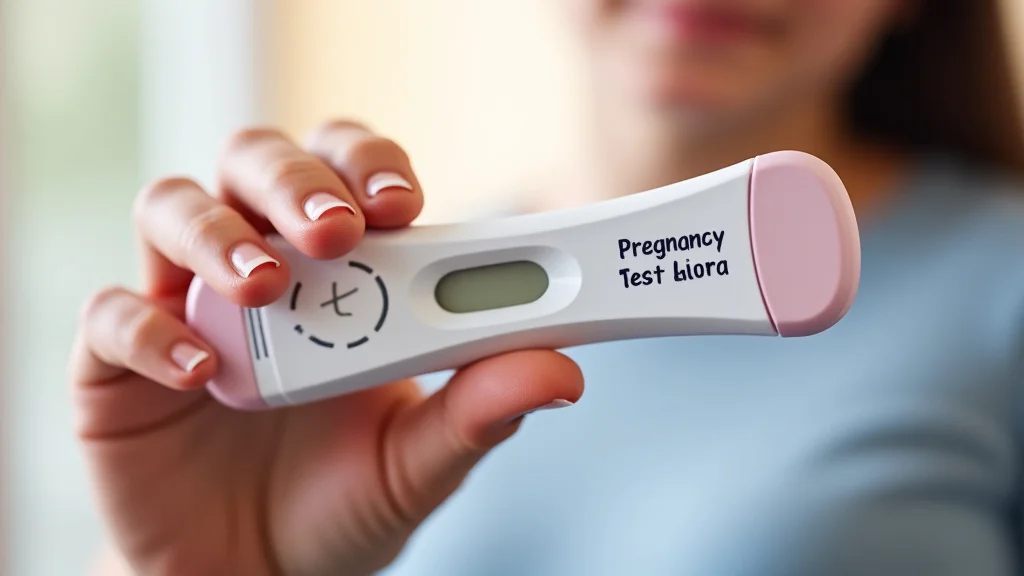
Keeping track of pregnancy tests can feel a bit confusing, especially if you’re new to it. You might wonder when to test, what the results mean, and how to record everything. This can make the whole process seem harder than it needs to be.
Don’t worry! We’ve got a simple plan to help you manage your pregnancy test log easily. Let’s make this part of your journey smooth and clear.
Key Takeaways
- You will learn why a pregnancy test log is useful.
- Discover the best times to take a pregnancy test for accurate results.
- Understand how to record your test results and any symptoms.
- Find out how to interpret different test outcomes.
- Get tips on managing your log for peace of mind.
Starting Your Pregnancy Test Log
Starting a pregnancy test log is a great idea for anyone trying to conceive or wondering if they might be pregnant. It helps you stay organized and gives you a clear picture of what’s happening. This log can become a valuable record of your early pregnancy signs and test results.
It’s like a diary for your body’s changes.
Why Keep A Log
A pregnancy test log serves as a central place to keep all your important testing information. When you’re trying to conceive, you might be testing frequently. Keeping a record helps you avoid confusion about dates and results.
It’s also helpful if you need to talk to a doctor. They can look at your log to see a history of your testing. This kind of organization can reduce stress and provide valuable insights.
Think about it: you might take tests on different days, and sometimes results can be faint. A log helps you remember details you might otherwise forget. It’s also useful for tracking symptoms alongside your test results, giving a fuller picture of your body’s signals.
This helps in making informed decisions and discussions.
What To Record
When you start your log, there are a few key things to note for each test. First, always record the date and time you took the test. This is very important for timing.
Next, write down the brand of test you used, as some might be more sensitive than others. Note the result clearly, whether it was positive, negative, or an invalid reading. If the result was a faint line, describe it.
Also, jot down any symptoms you are experiencing on that day. This could include things like nausea, fatigue, breast tenderness, or implantation spotting. Even if you don’t feel any symptoms, it’s good to note that too.
Recording your last menstrual period (LMP) date is also a critical piece of information. This helps in understanding potential conception timing.
- Date and Time of Test
- Brand of Pregnancy Test
- Test Result (Positive, Negative, Invalid)
- Description of Result (e.g., faint line)
- Any Symptoms Experienced
- Date of Last Menstrual Period (LMP)
This list covers the essentials. Having these details readily available makes your log a powerful tool. It simplifies tracking your progress and understanding your body’s unique journey.
The consistency in recording these details ensures the log’s reliability and usefulness over time.
Choosing A Log Format
You have several easy ways to keep a pregnancy test log. Many people find a simple notebook works best. You can write down all the details for each test day.
Another popular option is using a spreadsheet on your computer or phone. This makes it easy to sort and organize your information. There are also many free apps available that are specifically designed for tracking fertility and pregnancy tests.
These apps often have built-in features for recording results and symptoms.
Each format has its own advantages. A notebook is straightforward and doesn’t require any tech skills. A spreadsheet offers great flexibility for data analysis.
Apps provide convenience and can often send reminders. The most important thing is to choose a method that you will actually use consistently.
Consider what works best for your lifestyle. If you prefer writing things down by hand, a notebook is perfect. If you like to access your information from anywhere, a digital option might be better.
The goal is to make keeping the log as easy and stress-free as possible.
Understanding Pregnancy Test Results
Interpreting pregnancy test results correctly is key to knowing what’s happening. Home pregnancy tests detect a hormone called human chorionic gonadotropin (hCG). This hormone is produced after a fertilized egg implants in the uterus.
The accuracy of your test depends on when you take it and how you read the instructions.
How Pregnancy Tests Work
Home pregnancy tests are designed to detect hCG in your urine. This hormone starts to be produced shortly after implantation. Implantation usually happens about 6 to 12 days after ovulation.
The levels of hCG double roughly every 48 to 72 hours in early pregnancy. This increasing level is what pregnancy tests pick up.
The tests have lines or symbols that appear based on the presence of hCG. A positive result typically means enough hCG is present to indicate pregnancy. A negative result means not enough hCG was detected.
It’s crucial to follow the test instructions precisely. This includes how long to wait before reading the result. Reading too early or too late can lead to misinterpretations.
Some tests are more sensitive than others. More sensitive tests can detect lower levels of hCG. This means they might be able to show a positive result a few days before a less sensitive test.
Always check the sensitivity level if you are comparing different brands or testing very early. This information is usually on the test packaging.
Interpreting Positive Results
A positive pregnancy test result usually means you are pregnant. The test indicates that hCG has been detected in your urine. Even a very faint positive line is often considered positive.
If you get a positive result, it’s a good idea to schedule an appointment with your doctor. They can confirm the pregnancy, often with a blood test or ultrasound, and discuss the next steps for prenatal care.
It’s rare, but sometimes a positive result can be false. This is called a false positive. It can happen due to certain medications containing hCG, or very rarely due to medical conditions.
If you are unsure about a positive result or if it seems unexpected, talk to your healthcare provider. They can help clarify the situation.
Your log is helpful here. If you see a positive line, note its intensity in your log. This can sometimes be an early indicator of how your hCG levels are rising.
However, rely on your doctor for a definitive confirmation.
Interpreting Negative Results
A negative pregnancy test means that hCG was not detected in your urine at the time of the test. This most often means you are not pregnant. However, a negative result can also occur if you tested too early.
This is because hCG levels may not yet be high enough to be detected. If your period is late and you get a negative result, it’s often recommended to retest in a few days.
Sometimes, factors like drinking a lot of fluids before testing can dilute your urine. This can make it harder for the test to detect hCG. Using first-morning urine, when hCG is most concentrated, is usually best for early testing.
Your log can help you track the dates of negative tests and compare them with your cycle.
If you continue to get negative results but your period remains absent, it’s advisable to consult a doctor. There can be other reasons for a missed period besides pregnancy. Your doctor can help investigate any underlying issues.
Dealing With Invalid Results
An invalid result means the test did not work correctly. This can happen for several reasons. It might be due to not following the instructions properly, such as not letting the test sit for the correct amount of time.
The test might also be faulty or expired. In most cases, you will see no lines appear, or perhaps a faulty control line.
If you get an invalid result, it’s best to discard the test and use a new one. Make sure the new test is from a reputable brand and is not expired. Always re-read the instructions carefully before performing the new test.
Record in your log that the test was invalid, and note the date. This helps keep your testing record accurate.
Sometimes, an invalid result can cause frustration. Remember that this is not uncommon. Just use a fresh test and follow the steps carefully.
Your log should reflect that you needed to retake the test on a new date.
Tips for Accurate Testing and Logging
To get the most reliable results from your pregnancy tests, and to make your log truly useful, a few simple practices can make a big difference. Accuracy starts with how and when you take the test. Proper logging ensures you have a clear history.
Timing Is Everything
The best time to take a pregnancy test is after your period is late. This is usually about 14 days after ovulation. Testing too early can lead to a false negative result because hCG levels might still be too low.
For the most accurate results, use your first-morning urine. This urine is most concentrated, meaning hCG levels will be highest.
If you are tracking your ovulation, you can test a few days before your expected period if you want to test early. However, be prepared for the possibility of a false negative. Many home pregnancy tests are sensitive enough to detect pregnancy a few days before a missed period.
Consider the information from your log. If you know your typical cycle length and ovulation dates, you can plan your testing more effectively. This reduces unnecessary testing and potential disappointment.
Reading Instructions Carefully
Always read the instructions that come with your pregnancy test. Different brands may have slightly different ways of using the test and reading the results. Pay close attention to how long you need to wait before checking the result.
Waiting too little or too long can cause the test to be inaccurate.
For example, some tests show a control line first. This line indicates the test is working. Then, a second line or symbol appears if hCG is detected.
Make sure you understand what each line or symbol means for your specific test. Note in your log if you had any confusion about the instructions.
If you are using a digital test, it will display a clear word like “Pregnant” or “Not Pregnant.” These are generally easier to interpret. For line tests, sometimes the lines can be very faint.
Consistency in Logging
The power of your pregnancy test log comes from consistent entries. Try to fill it out right after you take the test and read the results. This way, you won’t forget any details.
Make it a habit, like brushing your teeth.
If you use a digital log or app, set reminders to enter your data. If you use a notebook, keep it in a place where you’ll see it. The more consistent you are, the more reliable your record will be.
This helps you spot patterns and track changes over time.
Even if you get a negative result, write it down. Knowing when you last tested negative is just as important as knowing when you tested positive. This information can be very reassuring or help you decide when to seek medical advice.
When to Seek Medical Advice
If you get a positive pregnancy test result, it’s important to contact your doctor or a healthcare provider. They can confirm the pregnancy and begin prenatal care. Early prenatal care is vital for a healthy pregnancy.
Your doctor will likely schedule an appointment to discuss your health history and confirm the pregnancy, perhaps with a blood test.
If you consistently get negative results but your period is significantly delayed, you should also consult a doctor. There can be other reasons for missed periods, such as stress, hormonal imbalances, or other medical conditions. Your doctor can help determine the cause and recommend appropriate steps.
Your log can be very useful when you talk to your doctor. It provides them with a clear history of your testing and symptoms, which can aid in diagnosis and care planning.
Common Myths Debunked
Myth 1: A faint positive line isn’t a real positive.
Reality: A faint positive line on a pregnancy test usually indicates pregnancy. The intensity of the line depends on the concentration of hCG in your urine and the sensitivity of the test. Even a faint line means hCG is present.
It’s always best to confirm with your doctor, but typically, a faint line is a positive sign.
Myth 2: You can get a false positive if you have a UTI.
Reality: A urinary tract infection (UTI) does not cause a false positive on a pregnancy test. Pregnancy tests detect hCG. UTIs affect a different part of your body and do not produce this hormone.
While some symptoms of UTIs can overlap with early pregnancy symptoms, the tests themselves are not affected by UTIs.
Myth 3: Testing at night is just as accurate as testing in the morning.
Reality: First-morning urine is usually the most concentrated, making it the best time to test for pregnancy, especially in the early stages. Testing at night, especially if you’ve been drinking a lot of fluids, can dilute your urine. This might lead to a false negative result because the hCG levels might be too low to detect.
Myth 4: You can only get pregnant if you have unprotected sex on ovulation day.
Reality: Sperm can live inside the female reproductive tract for up to 5 days. This means you can become pregnant if you have unprotected sex several days before ovulation. Therefore, timing intercourse in the days leading up to ovulation is important if you are trying to conceive.
Frequently Asked Questions
Question: How soon can I get an accurate result from a pregnancy test?
Answer: For the most accurate result, it’s best to wait until after your period is late, which is usually around 14 days after ovulation. Some sensitive tests can detect pregnancy a few days before a missed period.
Question: What is the best type of pregnancy test to use?
Answer: Most home pregnancy tests are quite accurate when used correctly. Digital tests offer clear results, while line tests are also effective. Choose a test from a reputable brand and follow its instructions precisely.
Question: Can stress affect my pregnancy test results?
Answer: Stress itself does not directly affect the accuracy of a pregnancy test. However, significant stress can sometimes disrupt your menstrual cycle, potentially leading to a missed period, which might prompt you to test. The test detects hCG, not stress levels.
Question: My test has a very faint line. Does this mean I am pregnant?
Answer: A faint positive line usually means you are pregnant. It indicates that hCG is present in your urine. It’s a good idea to retest in a day or two, or consult with your doctor for confirmation.
Question: How many days should I wait to retest if my first test was negative but my period is still not here?
Answer: If your first test was negative but your period is still delayed, wait two to three days before retesting. This allows time for hCG levels to rise if you are pregnant.
Summary
Using a pregnancy test log is a simple yet powerful way to track your testing journey. By noting dates, results, and symptoms, you gain clarity and peace of mind. Consistent logging helps you understand your body’s signals and provides valuable information for your doctor.
Start your log today for a more organized approach to this exciting time.
Leave a Reply