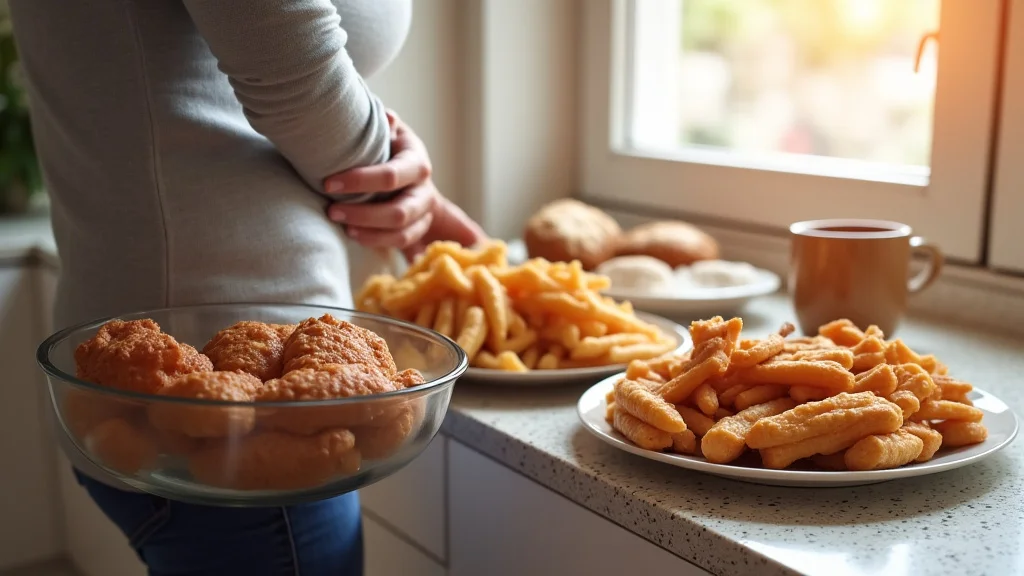
As your pregnancy progresses into the final stretch, you might notice some new and surprising food desires. These are commonly known as third trimester cravings. For many first-time parents, these intense urges can feel a bit overwhelming and even confusing.
What’s causing them, and what can you do about them? Don’t worry; it’s a very normal part of pregnancy, and we have a straightforward guide to help you understand and manage these special needs. Get ready to discover what’s behind your sudden love for pickles or ice cream and how to enjoy them mindfully.
Key Takeaways
- Understand the physical and hormonal reasons behind increased hunger and specific food desires in late pregnancy.
- Learn to differentiate between genuine nutritional needs and simple cravings for comfort or flavor.
- Discover healthy strategies for managing intense third trimester cravings without guilt.
- Explore how to satisfy cravings with nutrient-dense options that benefit both mother and baby.
- Find tips for dealing with unexpected cravings and maintaining a balanced diet.
Understanding Third Trimester Cravings
The third trimester is a period of significant growth for your baby. They are rapidly gaining weight and developing essential systems, which means your body needs more energy and nutrients. This increased demand, combined with hormonal shifts unique to late pregnancy, often leads to intensified hunger and specific food cravings.
It’s your body’s way of telling you what it needs, though sometimes it might ask for things that aren’t the most nutritious. Recognizing these signals is the first step to managing them effectively.
Hormonal Influences and Nutritional Demands
During pregnancy, your body produces hormones like progesterone, which can affect your appetite and how your body processes food. These hormones help support the pregnancy but can also increase your desire for certain types of food. Think of it as your body’s sophisticated system trying to ensure the baby gets everything it needs for those final growth spurts.
This often translates into needing more calories, but also specific micronutrients.
For instance, your body might signal a need for iron or calcium through cravings that seem unusual. Sometimes, these cravings are for specific textures or flavors, which can be a more psychological response. Understanding this duality helps you respond wisely.
Are you truly hungry, or is it a craving for comfort? This distinction is key.
The Baby’s Growth Spurt
Your baby is now about the size of a watermelon and is packing on weight. This means a surge in their nutritional requirements, which your body diligently tries to meet. They are developing their brain, lungs, and storing fat reserves for life outside the womb.
All this growth requires a lot of fuel. Your body is working overtime, and it might manifest as feeling hungrier more often or having a strong desire for calorie-dense foods to fuel this rapid development.
Common Cravings in the Third Trimester
It’s very common to crave sweets, salty snacks, spicy foods, or even unusual combinations. Ice cream, chocolate, chips, pickles, and anything sweet are frequent contenders. These cravings can be intense and hard to ignore.
Some women also experience a sudden aversion to foods they previously loved. This all is part of the complex hormonal and physical changes happening.
Let’s look at some popular examples. The craving for sweets might be your body seeking quick energy. Salty cravings could be related to fluid balance.
Spicy food cravings are less understood but might be linked to changing taste perceptions or simply a desire for novelty. The key is not to fight these cravings entirely but to find ways to enjoy them healthily.
Managing Third Trimester Cravings Healthily
Dealing with third trimester cravings doesn’t mean you have to give in to every urge or feel guilty about your choices. The goal is balance and smart choices. We’ll explore practical ways to satisfy those cravings while ensuring you and your baby are getting the nourishment you need.
This section offers actionable tips that are easy to follow.
Smart Swaps and Substitutions
When a craving strikes, pause and consider if there’s a healthier alternative. For example, if you crave something sweet, instead of reaching for a candy bar, try a piece of fruit like berries or a small bowl of yogurt with honey. For salty cravings, opt for air-popped popcorn seasoned with herbs instead of chips, or try a handful of salted nuts.
Even better, sometimes a craving for a specific texture can be met with healthier options.
Consider this: a craving for creamy ice cream could be satisfied with a smoothie made from frozen bananas, a little milk, and cocoa powder. It’s a delicious and nutrient-rich treat. Similarly, a crunchy snack might be satisfied with carrot sticks and hummus, or baked sweet potato fries instead of greasy potato chips.
These swaps help manage the craving without derailing your healthy eating habits.
Portion Control and Mindful Eating
Even with healthy swaps, portion control is important, especially in the third trimester when your stomach capacity is reduced. Instead of eating a large bowl of your favorite treat, have a small, satisfying portion. Enjoy it slowly, paying attention to the taste, texture, and how it makes you feel.
This mindful approach can make a small portion more satisfying than a larger, rushed one.
Mindful eating means savoring each bite. It helps you recognize when you are truly full, preventing overeating. If you’re craving something specific, allow yourself a small amount and truly enjoy it.
This prevents the feeling of deprivation, which can sometimes lead to bigger binges later. It’s about enjoying your food and listening to your body’s signals.
Hydration and Hunger Cues
Sometimes, thirst can be mistaken for hunger or cravings. Before reaching for a snack, try drinking a glass of water. Staying well-hydrated is crucial during pregnancy, especially in the third trimester, and can help manage overall appetite.
If you’re still hungry after drinking water, then it’s time to consider a healthy snack.
It’s also important to eat regular, balanced meals throughout the day. Skipping meals can lead to extreme hunger and make cravings harder to manage. Aim for meals that include protein, healthy fats, and complex carbohydrates to keep you feeling full and satisfied for longer periods.
This steady intake of nutrients helps stabilize blood sugar levels, reducing intense cravings that can pop up when your blood sugar drops too low.
Incorporating Cravings into a Balanced Diet
Allowing yourself occasional treats is perfectly fine and can be part of a balanced diet. The key is moderation and frequency. If you’re craving chocolate, a small square of dark chocolate can be satisfying and offers some antioxidants.
If it’s pizza, perhaps a whole wheat crust with plenty of veggies and lean protein is a better option than a greasy, processed version.
The goal is not to eliminate cravings but to integrate them into your diet in a way that supports your health. Focus on making your main meals nutrient-dense so that any occasional indulgence is less impactful. Think of it as creating a sustainable eating pattern that nourishes you and your baby while still allowing for enjoyment of food.
Nutritional Needs vs. Simple Desires
It can be tricky to tell if your craving is your body’s way of asking for a specific nutrient or just a desire for a particular taste or comfort. Understanding the difference can help you respond more effectively and ensure you’re meeting your actual nutritional requirements.
Identifying Nutrient Deficiencies
Certain cravings can sometimes point to a deficiency in specific nutrients. For example, a strong craving for ice, known as pica, might indicate iron deficiency anemia. Cravings for dairy or calcium-rich foods could signal a need for calcium.
While these are not always the case, it’s worth noting if a craving is persistent and unusual.
If you suspect a nutrient deficiency, it is always best to discuss this with your healthcare provider. They can perform blood tests to check your levels and recommend appropriate supplements or dietary changes. Trying to self-diagnose based on cravings alone might lead you to consume unhealthy foods unnecessarily or miss out on critical nutrients.
Psychological and Emotional Factors
Pregnancy is an emotional time, and food often serves as comfort. Stress, fatigue, or even boredom can trigger cravings for foods that provide a sense of pleasure or familiarity. These cravings are often less about physical need and more about emotional well-being.
Acknowledging these feelings can help you address them with non-food-related coping mechanisms.
For instance, if you’re feeling stressed, a walk, some light stretching, or talking to a friend might be more beneficial than reaching for a sugary snack. Identifying the emotional trigger behind the craving is a powerful tool. This self-awareness allows you to make a conscious choice between feeding an emotion or addressing the underlying feeling.
The Role of Sensory Experiences
Sometimes, cravings are simply about the sensory experience—the taste, texture, or smell of a particular food. Pregnancy can heighten your senses, making certain flavors and aromas incredibly appealing. This is why you might suddenly crave something very specific, like the crunch of chips or the richness of chocolate, even if you’re not particularly hungry.
Focusing on the sensory aspect can help. If you crave crunch, consider crunchy vegetables like celery or bell peppers. If it’s richness, a small amount of avocado or a few almonds might do the trick.
This allows you to satisfy the sensory desire without indulging in less healthy options. It’s about finding a comparable experience that aligns better with your health goals.
When to Consult a Healthcare Provider
While most cravings are harmless and a normal part of pregnancy, there are times when it’s important to speak with your doctor or midwife. This includes cravings for non-food items (pica), sudden and extreme changes in appetite, or if your cravings are making it difficult to maintain a healthy and balanced diet. They can assess your overall health and provide personalized advice.
Your healthcare provider can also help you monitor for gestational diabetes, a condition that can affect your blood sugar levels and dietary needs. They are your best resource for ensuring your pregnancy is as healthy as possible, both physically and nutritionally. Don’t hesitate to bring up any concerns you have about your eating habits or cravings.
Common Myths Debunked
Myth 1: Cravings Mean You’re Having a Boy or Girl
This is a popular old wives’ tale, but there is no scientific evidence to support it. While pregnancy hormones and nutritional needs can influence cravings, they don’t predict your baby’s sex. The idea that craving sweets means a girl and savory foods mean a boy is purely folklore.
Sex determination happens at conception based on chromosomes, not on what ice cream you’re eating.
Myth 2: You Must Give In To Every Craving
While acknowledging your cravings is important, you don’t have to indulge every single one, especially if it conflicts with your health goals. Pregnancy is a time for mindful choices. You can often satisfy a craving with a healthier alternative or a smaller portion.
It’s about balance, not strict deprivation. Think of it as making smart decisions for your well-being.
Myth 3: Cravings Mean Your Baby is Deficient in That Food
As discussed, sometimes a craving can hint at a nutrient need, but it’s not always a direct correlation. Your body is complex, and cravings are influenced by many factors, including hormones, taste preferences, and even emotions. Relying solely on cravings to determine nutritional needs can be misleading.
It’s better to focus on a diverse, nutrient-rich diet and consult with a healthcare provider if you have concerns about deficiencies.
Myth 4: All Pregnancy Cravings Are Unhealthy
Not at all! While many cravings are for less healthy options, some women crave fruits, vegetables, or other nutritious foods. The key is to listen to your body and understand the context.
If you’re craving a specific nutrient, like calcium, you might reach for yogurt or cheese, which are healthy choices. It’s important to assess the craving and respond with a balanced approach.
Frequently Asked Questions
Question: Why do I suddenly crave foods I never liked before
Answer: Pregnancy hormones can change your sense of taste and smell, making new foods appealing and old favorites less so. It’s a common phenomenon as your body adjusts to support your growing baby.
Question: Is it okay to have a lot of sweet cravings
Answer: Some sweet cravings are normal, but excessive consumption of sugar can lead to unwanted weight gain and blood sugar issues. Try to opt for naturally sweet foods like fruits or enjoy sweets in moderation.
Question: What should I do if I crave non-food items like dirt or chalk
Answer: This condition is called pica, and it’s important to speak with your healthcare provider immediately. It can sometimes indicate a nutrient deficiency, like iron, and requires medical attention.
Question: Can cravings affect my baby’s health
Answer: While cravings themselves don’t directly harm the baby, the food choices you make to satisfy them can. Consistently choosing unhealthy foods might lead to excessive weight gain or nutritional imbalances, so balance is key.
Question: How can I stop feeling so hungry all the time
Answer: Focus on eating regular, balanced meals and snacks that include protein, fiber, and healthy fats. Staying well-hydrated and avoiding skipping meals can also help manage overall hunger.
Wrap Up
Managing third trimester cravings is about balance and smart choices. Listen to your body, opt for healthier alternatives when possible, and enjoy treats in moderation. Focusing on a nutrient-rich diet provides the best support for you and your baby during this final stage of pregnancy.
Leave a Reply