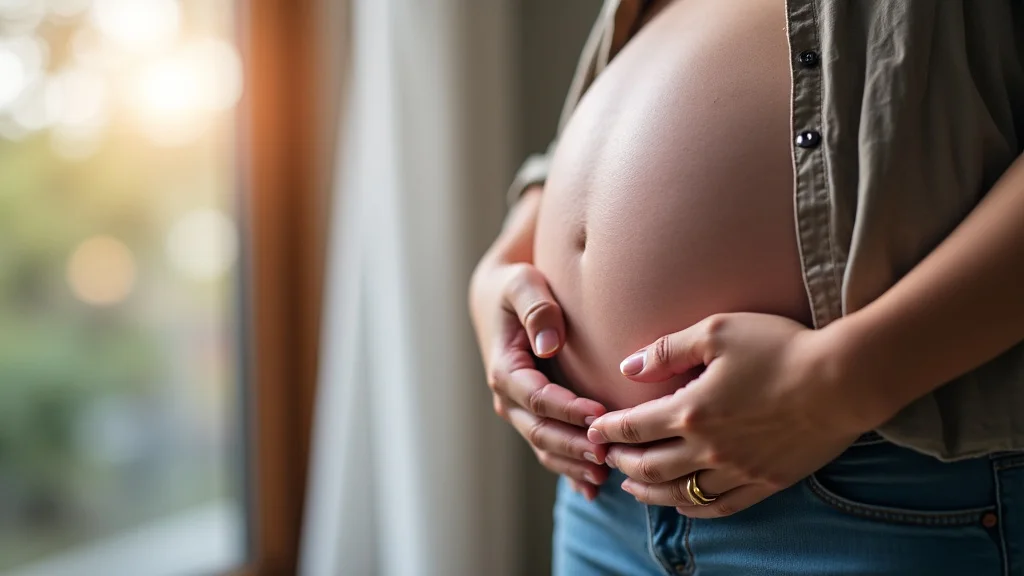
It’s totally normal to feel a bit unsure when you hear about third trimester anemia hgb. Many new parents or even experienced ones find this topic tricky at first. Your body is doing amazing work, and sometimes it needs a little extra support.
Don’t worry, we’ll walk through it step by step. You’ll feel much more confident about what’s happening and how to help. Let’s get started so you can get a clear picture of why this happens and what you can do about it.
Key Takeaways
- Third trimester anemia is common as your baby grows.
- Hemoglobin (Hgb) levels can drop due to increased blood volume.
- Dietary iron and vitamin C are vital for raising Hgb.
- Doctor monitoring is key for safe treatment plans.
- Lifestyle changes can support healthy Hgb levels.
- Understanding the causes helps manage this condition.
Understanding Third Trimester Anemia Hgb
This section explains why your hemoglobin might change during the last part of pregnancy. Your body is making more blood cells to support your growing baby. This can sometimes dilute the hemoglobin you have, making it seem lower.
It’s a natural part of pregnancy, but it’s important to know what’s going on. We’ll look at the main reasons behind these changes.
What is Hemoglobin
Hemoglobin is a protein found in your red blood cells. Its main job is to carry oxygen from your lungs to all parts of your body. It also carries carbon dioxide, a waste product, back to your lungs to be exhaled.
Think of it as tiny oxygen delivery trucks running through your bloodstream.
During pregnancy, your body needs to produce a lot more blood. This extra blood helps supply oxygen and nutrients to your developing baby. The volume of blood plasma, the liquid part of your blood, increases significantly.
While your red blood cells also increase, they don’t always keep pace with the plasma increase. This can lead to a condition called physiological anemia, where the hemoglobin count appears lower simply because the blood is more diluted.
Why Anemia Happens in the Third Trimester
The third trimester is a critical period for fetal growth. Your baby is rapidly gaining weight and developing vital organs. This demands a substantial increase in oxygen and nutrient supply from you.
To meet this demand, your body produces about 50% more blood than it did before pregnancy.
This surge in blood volume is essential, but it’s also a primary reason for lower hemoglobin levels. The sheer increase in fluid means that even with more red blood cells, the concentration of hemoglobin per unit of blood can decrease. This is often referred to as hemodilution.
Iron is a key component of hemoglobin. If your iron intake isn’t sufficient to keep up with the increased red blood cell production, you can develop iron-deficiency anemia. This is the most common type of anemia during pregnancy.
Other factors like not getting enough folic acid or vitamin B12 can also contribute, though less commonly than iron deficiency.
Normal vs. Low Hemoglobin Levels
What is considered a normal hemoglobin level can vary slightly depending on the lab and individual factors. However, for pregnant individuals, a hemoglobin level below 11 grams per deciliter (g/dL) in the first and third trimesters is generally considered anemia by the World Health Organization (WHO). In the second trimester, a level below 10.5 g/dL is considered anemic.
These thresholds are in place because lower hemoglobin levels mean less oxygen is being carried throughout your body. This can affect your energy levels and, more importantly, the oxygen supply to your baby. Your healthcare provider will monitor your hemoglobin levels through regular blood tests.
They will advise you on whether your levels are within a healthy range for pregnancy.
Causes and Risk Factors for Third Trimester Anemia Hgb
Several factors can increase your chances of developing anemia in the third trimester. Understanding these helps in prevention and early detection. We will explore the common culprits that lead to reduced hemoglobin.
Iron Deficiency
Iron is absolutely vital for making hemoglobin. Your body needs iron to build the red blood cells that carry oxygen. During pregnancy, your iron needs skyrocket.
This is because your body is making a lot more blood for you and your baby. It’s also storing iron for the baby to use after birth.
If you don’t eat enough iron-rich foods, or if your body has trouble absorbing the iron you do eat, you can become iron deficient. This is the most frequent reason for anemia in pregnancy. Your doctor will likely check your iron levels along with your hemoglobin.
Symptoms of iron deficiency anemia can include feeling very tired, weakness, pale skin, and shortness of breath. Sometimes, you might crave non-food items like ice or dirt, a condition called pica.
Inadequate Dietary Intake
What you eat plays a huge role in your body’s ability to produce enough red blood cells. If your diet lacks iron-rich foods, it’s hard for your body to keep up with the demands of pregnancy. Foods like red meat, poultry, fish, beans, and leafy green vegetables are good sources of iron.
Sometimes, even with a good diet, absorption can be an issue. Vitamin C helps your body absorb iron, especially iron from plant-based foods. So, eating fruits and vegetables rich in vitamin C alongside iron sources can be very beneficial.
If you’re vegetarian or vegan, you need to be extra mindful of your iron intake from plant sources and how to boost their absorption.
Blood Loss
While not as common as dietary factors, some blood loss can contribute to anemia. Minor blood loss can occur during routine prenatal checks, such as during blood draws. In rare cases, conditions like placenta previa or placental abruption can cause more significant bleeding, which can lead to anemia.
Your doctor will monitor for any signs of unusual bleeding. They will assess your overall health and blood volume. Any significant blood loss will be managed promptly to protect both your health and your baby’s.
Frequent Pregnancies
If you’ve had several pregnancies close together, your body might not have fully replenished its iron stores from previous pregnancies. Each pregnancy depletes iron reserves. Carrying multiple babies at once, as in a twin or triplet pregnancy, also significantly increases the demand for iron and blood production.
This increased demand means that women with closely spaced pregnancies or multiple gestations are at a higher risk of developing anemia. They often require closer monitoring and potentially higher doses of iron supplements.
Pre-existing Medical Conditions
Certain medical conditions can affect how your body makes red blood cells or absorbs nutrients. For instance, conditions like celiac disease or inflammatory bowel disease can interfere with iron absorption. Chronic kidney disease can affect the production of erythropoietin, a hormone that signals your bone marrow to make red blood cells.
If you have any ongoing health issues, it’s important to discuss them with your doctor. They can help manage these conditions during pregnancy and ensure they don’t negatively impact your blood counts.
Consequences of Untreated Third Trimester Anemia Hgb
It’s important to address anemia because it can have effects on both you and your baby. This section will explain why getting treatment is so vital during the third trimester.
Impact on Maternal Health
When you have low hemoglobin, your body has to work harder to deliver oxygen to all your organs. This can leave you feeling extremely tired and weak. You might find it hard to do daily activities.
Shortness of breath, dizziness, and headaches are also common symptoms.
Your immune system can also be weaker when you are anemic. This makes you more prone to infections, which can be more serious during pregnancy. In severe cases, anemia can contribute to other complications like preterm labor or a low birth weight baby.
It can also make recovery after childbirth more difficult.
Impact on Fetal Development
Your baby relies on the oxygen and nutrients you provide through the placenta. If your hemoglobin is low, there’s less oxygen available for your baby. This can affect their growth and development, potentially leading to a smaller baby or a low birth weight.
Babies born to anemic mothers might also have lower iron stores at birth. This can impact their development in the first few months of life. In very severe cases, maternal anemia can be linked to an increased risk of stillbirth or other serious complications for the baby.
Increased Risk of Complications During Labor and Delivery
If you are anemic, you may experience more complications during labor and delivery. You might have less energy to cope with the demands of labor. There’s also a higher chance of needing a blood transfusion if you experience significant blood loss during delivery, as your body will have less of a reserve.
Postpartum hemorrhage, which is excessive bleeding after childbirth, can also be a greater concern for women who were anemic during pregnancy. Promptly treating anemia helps ensure you are stronger and better prepared for labor and the postpartum period.
Managing Third Trimester Anemia Hgb
Fortunately, anemia during pregnancy is manageable. Your doctor will create a plan to help you get your hemoglobin levels back to a healthy range. This section outlines the common strategies used.
Dietary Changes and Iron-Rich Foods
The first step in managing anemia is often through your diet. Increasing your intake of iron-rich foods can significantly help boost your hemoglobin levels. Excellent sources of heme iron (which is easily absorbed by the body) include lean red meat, poultry, and fish.
Non-heme iron, found in plant-based foods, is also important. Good sources include lentils, beans, spinach, tofu, and fortified cereals. To help your body absorb non-heme iron better, pair these foods with sources of vitamin C.
Think about having a glass of orange juice with your breakfast cereal, or adding bell peppers and tomatoes to your bean chili.
Here are some great iron-rich foods to consider:
- Red meat (beef, lamb)
- Poultry (chicken, turkey)
- Fish (sardines, tuna)
- Legumes (lentils, chickpeas, kidney beans)
- Dark leafy greens (spinach, kale)
- Tofu and tempeh
- Fortified cereals and bread
- Dried fruits (apricots, raisins)
- Nuts and seeds
Iron Supplements
Often, diet alone isn’t enough to correct anemia during pregnancy, especially if it’s severe. Your doctor will likely recommend iron supplements. These come in various forms, such as ferrous sulfate, ferrous gluconate, or ferrous fumarate.
It’s important to take your iron supplement as prescribed by your doctor. They might recommend taking it on an empty stomach for better absorption, but this can sometimes cause nausea. If that happens, you can try taking it with a small amount of food.
Avoid taking iron supplements with milk, coffee, or tea, as these can interfere with iron absorption.
Common side effects of iron supplements can include constipation, nausea, and an upset stomach. To help with constipation, drink plenty of water and eat fiber-rich foods. Your doctor might suggest starting with a lower dose or trying a different type of supplement if side effects are bothersome.
Folic Acid and Vitamin B12
While iron deficiency is the most common cause, deficiencies in folic acid and vitamin B12 can also lead to anemia. Folic acid is crucial for the production of red blood cells and DNA. Vitamin B12 is also essential for red blood cell formation and maintaining a healthy nervous system.
Most prenatal vitamins contain recommended amounts of folic acid and vitamin B12. However, your doctor might recommend additional supplements if your levels are found to be low. Ensuring you get enough of these vitamins supports overall blood health.
Monitoring and Follow-Up
Regular check-ups with your healthcare provider are essential. They will monitor your hemoglobin levels with blood tests to see how you are responding to treatment. This follow-up ensures that your anemia is improving and that your baby is receiving enough oxygen.
Your doctor will adjust your treatment plan as needed. This might involve changing the dose of your supplements or recommending further dietary changes. Consistent monitoring helps prevent complications and ensures a healthy pregnancy outcome.
Common Myths Debunked
Myth 1: Anemia is just about feeling tired and it’s not a big deal during pregnancy.
Reality: While fatigue is a common symptom, anemia during pregnancy is a medical condition that needs attention. Low hemoglobin means less oxygen delivery to you and your baby. This can lead to serious complications like preterm birth, low birth weight, and developmental issues for the baby.
It can also make your postpartum recovery more challenging. It’s crucial to treat anemia to ensure a healthy pregnancy and delivery.
Myth 2: Eating lots of red meat will automatically fix anemia.
Reality: Red meat is a great source of iron, but it’s not a magic cure-all. While increasing red meat in your diet can help, the effectiveness depends on the severity of your anemia and your body’s ability to absorb iron. For many, iron supplements are necessary to reach adequate hemoglobin levels.
Also, a balanced diet with various iron sources and vitamin C for absorption is more beneficial than relying solely on one food.
Myth 3: You can tell if you’re anemic just by looking at your skin color.
Reality: While pale skin can be a sign of anemia, it’s not always reliable. Many other factors can influence skin tone. The only definitive way to diagnose anemia is through a blood test that measures your hemoglobin levels.
Relying on visual cues alone can lead to missed diagnoses or unnecessary worry. Always consult your doctor for proper testing and diagnosis.
Myth 4: Iron supplements will make you gain a lot of weight.
Reality: Iron supplements themselves do not directly cause significant weight gain. Weight gain during pregnancy is normal and expected due to the growing baby, placenta, amniotic fluid, and increased blood volume. Some women experience increased appetite as their anemia improves, which could lead to weight gain if not managed with a balanced diet.
However, the iron supplement is not the primary cause of this weight gain.
Frequently Asked Questions
Question: How quickly can iron supplements raise my hemoglobin?
Answer: It varies from person to person, but you might start to see an increase in your hemoglobin levels within a few weeks of starting iron supplements. It can take several months to fully replenish your iron stores and bring your levels back to normal. Your doctor will monitor your progress with blood tests.
Question: Can my baby be born anemic if I have anemia during pregnancy?
Answer: Yes, there is a risk. If maternal anemia is severe and untreated, the baby may be born with lower iron stores, which can affect them in the first few months of life. This is one of the main reasons why treating anemia during pregnancy is so important.
Question: Are there natural ways to boost hemoglobin besides supplements and diet?
Answer: While diet and supplements are the primary medical approaches, ensuring you get enough rest and manage stress can support your body’s overall health. However, these are supportive measures and not substitutes for medical treatment of anemia.
Question: What are the signs of severe anemia in the third trimester?
Answer: Signs of severe anemia can include extreme fatigue, shortness of breath even at rest, rapid heart rate, dizziness or fainting, chest pain, and very pale skin. If you experience any of these, contact your doctor immediately.
Question: Can I take iron supplements with my prenatal vitamin?
Answer: It depends on the specific supplements. Some prenatal vitamins contain iron. Your doctor will advise you on whether you need an additional iron supplement or if your prenatal vitamin provides enough.
They will also guide you on the best timing to take them together or separately for optimal absorption.
Final Thoughts
Addressing third trimester anemia hgb is vital for a healthy pregnancy. By understanding the causes and following your doctor’s guidance on diet and supplements, you can effectively manage your levels. This ensures you and your baby receive the oxygen needed for optimal development and well-being.
Focus on healthy habits to support your body’s amazing work.
Leave a Reply