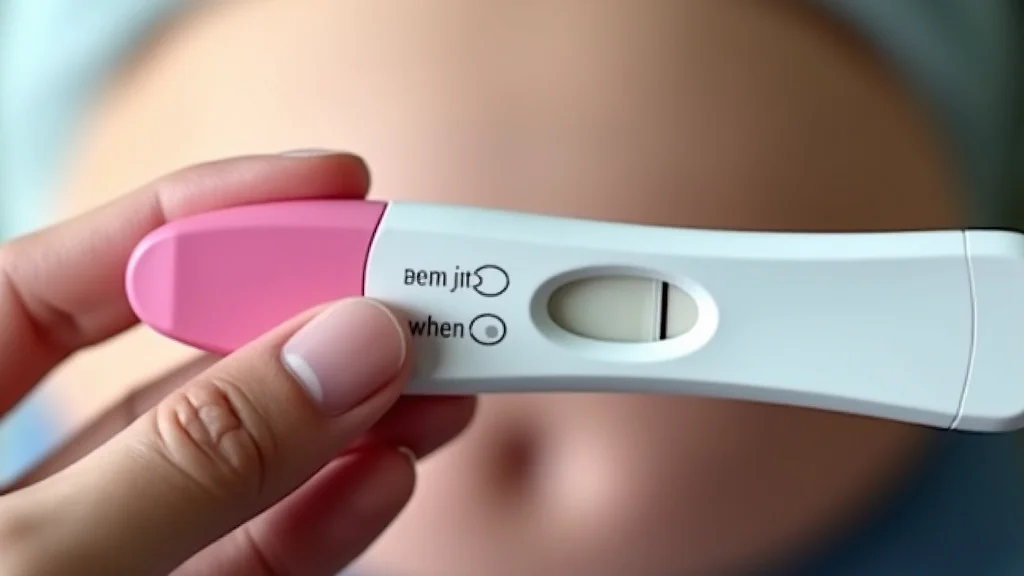
Seeing just one line on a pregnancy test can be confusing. Many people wonder if they did something wrong or if it means they are definitely not pregnant. This post makes it super simple to figure out what that one line means.
We will walk through it step-by-step so you can feel confident. Get ready to learn all about it!
Key Takeaways
- A single line on a pregnancy test usually means you are not pregnant.
- It is important to know the different parts of the pregnancy test and how they work.
- Timing your test correctly is key for accurate results.
- Reading the test instructions carefully prevents common mistakes.
- Knowing what a negative result looks like helps ease worries.
- This guide clarifies what a 1 line on pregnancy test truly indicates.
How Pregnancy Tests Work
Pregnancy tests detect a hormone called human chorionic gonadotropin (hCG). Your body makes this hormone when a fertilized egg implants in your uterus. The test stick has a special chemical that changes color when it comes into contact with hCG in your urine.
This color change is how the test shows you if it thinks you might be pregnant or not.
The Role of hCG
Human chorionic gonadotropin (hCG) is a protein hormone produced by cells from the placenta shortly after implantation. It is the hormone that most pregnancy tests detect. The levels of hCG rise rapidly in early pregnancy, doubling approximately every 48 to 72 hours.
This rise is why testing too early might lead to a false negative result, even if pregnancy has occurred.
Home pregnancy tests are designed to pick up even small amounts of hCG in your urine. They have a built-in indicator that reacts to the presence of this hormone. The concentration of hCG is what determines if the test will show a positive result.
Test Components Explained
Most home pregnancy tests have a few key parts. There is usually an absorbent tip where you place your urine. Then, there is a window where the result appears.
This window has two lines that can potentially show up: the control line and the test line.
The control line is important. It shows that the test is working correctly. You should always see the control line appear, no matter what the result is.
If the control line does not show up, the test is faulty and you cannot trust the result.
The test line is where the result is shown. If you are pregnant, you will typically see a second line appear in this area. The strength of this line can sometimes indicate how high your hCG levels are.
Understanding these parts helps you read your test accurately. Seeing a 1 line on pregnancy test results becomes clearer when you know what each line signifies.
How to Use a Pregnancy Test
Using a pregnancy test is pretty straightforward. First, check the expiration date on the package to make sure the test is still good. Open the test carefully.
You will usually need to hold the absorbent tip in your urine stream for a specific amount of time, often around 5 to 10 seconds.
Alternatively, some tests require you to collect urine in a clean cup and dip the absorbent tip into it. Always follow the instructions that come with your specific test kit. They are there to help you get the most accurate reading.
After applying urine, place the test on a flat surface with the result window facing up. You will then need to wait a specific amount of time for the lines to appear. This waiting period is crucial for the test to work properly.
What One Line Means
When you look at your pregnancy test and see only one line, it generally means the test did not detect enough hCG in your urine to indicate pregnancy. This is often called a negative result. It is important to remember that pregnancy tests are designed to be very sensitive, so if hCG were present at a detectable level, a second line would usually appear.
The Control Line vs. The Test Line
The single line you see is almost always the control line. This line is a built-in indicator that the test itself is functioning correctly. It acts as a reference point to ensure the test mechanism has worked.
If the control line does not show up, the test is invalid, and you would need to use a new one.
The test line is the second potential line that appears if hCG is detected. If you only see the control line and no test line, it signifies that the hCG levels in your urine were below the detection threshold of the test. This is the standard indication of a non-pregnant result.
Therefore, when you see 1 line on pregnancy test results, it strongly suggests that you are not pregnant. However, there are a few situations where this might not be the whole story.
Interpreting A Negative Result
A negative result, indicated by a single line, means that based on the test’s sensitivity and the hCG levels in your urine at the time of testing, pregnancy has not been detected. This is the most common outcome for most people using pregnancy tests. It allows individuals to know their status and plan accordingly.
It is always a good idea to re-read the instructions that came with your test. Sometimes, a faint line might be missed, or the waiting time might not have been fully observed. If you still get a single line and have concerns, waiting a few more days and testing again with morning urine can provide more certainty.
Many factors can influence the hormone levels, including when ovulation occurred and when implantation might have happened. So, while a single line is a strong indicator, considering all possibilities can be helpful.
Factors Affecting Test Accuracy
While pregnancy tests are generally reliable, several factors can influence their accuracy. Understanding these can help you interpret your results correctly, especially when you see a single line on a pregnancy test. It’s not just about seeing the line; it’s about knowing what might have affected its appearance.
Timing Is Crucial
One of the most significant factors for test accuracy is timing. Pregnancy tests work by detecting hCG, and the levels of this hormone need to rise to a certain point before a test can detect them. Testing too early in your cycle, before your hCG levels have reached the test’s detection threshold, can lead to a false negative result, meaning you might be pregnant but the test shows a single line.
It is generally recommended to wait until you have missed your period to take a pregnancy test for the most accurate results. Some early detection tests claim to detect pregnancy a few days before a missed period, but their accuracy might be lower in those early days.
A good rule of thumb is to use the first-morning urine. This urine is usually more concentrated, meaning it has a higher level of hCG if you are pregnant, making it easier for the test to detect.
Expired Tests
Pregnancy tests have an expiration date printed on their packaging. Using an expired test can lead to inaccurate results. The chemicals in the test may degrade over time, making them less sensitive or completely ineffective.
An expired test might fail to detect hCG even if it’s present, leading to a false negative (a single line when you might be pregnant).
Always check the expiration date before using a pregnancy test. If the test is expired, it’s best to discard it and purchase a new one. This simple step ensures you are using a test that is designed to work correctly.
An expired test might also show no lines at all, or it might show false lines. To avoid this, make sure your test is within its valid date range.
Reading Instructions Carefully
Each pregnancy test brand and type can have slightly different instructions for use and result interpretation. Failing to follow these instructions precisely can lead to errors. For instance, not using enough urine, using too much urine, or not waiting the correct amount of time for the result to appear can all skew the outcome.
For example, if you read the test too early, the lines might not have had enough time to form, potentially showing only the control line. If you read it too late, evaporation lines can sometimes appear, which might be mistaken for a positive result.
Make sure to read the entire instruction booklet that comes with your pregnancy test. Pay close attention to the recommended waiting time and how to interpret any lines that appear. This is especially important if you are seeing 1 line on pregnancy test results and are unsure if it’s truly negative.
Diluted Urine
Drinking a lot of fluids before taking a pregnancy test can dilute your urine. When your urine is diluted, the concentration of hCG may be lower, making it harder for the test to detect. This is why testing with first-morning urine is often recommended.
If you have been drinking a lot of water or other fluids throughout the day, your urine might be too diluted to show an accurate result, especially in the very early stages of pregnancy.
If you suspect you might be pregnant but got a negative result with diluted urine, try testing again later in the day or the next morning after limiting your fluid intake.
When To Retest
Sometimes, a single line on a pregnancy test is the correct result. Other times, it might be a sign to test again. Knowing when to retest can help you get a clear answer and peace of mind.
If Your Period Is Late
If you have a regular menstrual cycle and your period is late, and you get a single line on a pregnancy test, it is advisable to wait a few days and test again. Sometimes, ovulation can occur later in the cycle than usual, meaning pregnancy may have started more recently. In such cases, hCG levels might still be too low to be detected by the test.
Retesting a few days later, especially with first-morning urine, can provide a more accurate result if pregnancy has occurred and hCG levels have increased.
If your period continues to be significantly delayed and subsequent tests remain negative, it might be worth consulting a doctor to explore other reasons for missed periods.
If You Have Pregnancy Symptoms
Even with a single line on a pregnancy test, you might experience early pregnancy symptoms like nausea, breast tenderness, or fatigue. If you are experiencing these symptoms and have received a negative result, it is a good idea to retest. It is possible to be pregnant and have low hCG levels that are not yet detectable by the test.
These symptoms can sometimes be caused by other factors, but if they persist and you suspect pregnancy, a repeat test is a sensible step.
If subsequent tests continue to show a single line but symptoms persist, seeking advice from a healthcare provider is recommended. They can perform blood tests which are more sensitive to hCG.
When In Doubt
If you are feeling unsure about your pregnancy test result, even with a single line, it is always best to err on the side of caution and retest. You can try a different brand of test or use a digital test, which may offer clearer results.
Taking another test after a few days, or consulting with a healthcare professional, can help resolve any doubts you may have. They can offer further guidance and testing options if needed.
Remember that a 1 line on pregnancy test is usually a negative result, but giving yourself time and testing again can confirm the outcome.
Common Myths Debunked
Myth 1: A Faint Second Line Means You Are Not Pregnant
Reality: A faint second line on a pregnancy test typically indicates a positive result. Even a faint line suggests that the test has detected hCG in your urine. The strength of the line can depend on the concentration of hCG and how sensitive the test is.
If you see any hint of a second line, especially within the specified reading time, it’s a good idea to consider yourself pregnant and consult a healthcare provider.
Myth 2: You Can Get Pregnant From Just Looking At A Pregnancy Test
Reality: This is completely untrue and biologically impossible. Pregnancy occurs through the fertilization of an egg by sperm. Pregnancy tests work by detecting specific hormones produced by the body after implantation.
Simply looking at a pregnancy test, or even having it near you, has absolutely no effect on conception or pregnancy.
Myth 3: All Pregnancy Tests Give The Same Results
Reality: While most pregnancy tests work on the same principle (detecting hCG), their sensitivity levels can vary. Some tests are more sensitive than others and can detect lower levels of hCG, potentially giving a positive result earlier. Using a less sensitive test might result in a single line even if you are pregnant, especially in the very early stages.
Myth 4: A Single Line Always Means No Pregnancy
Reality: While a single line is the most common indicator of a negative result, there are rare instances where it might not be entirely accurate. These include testing too early, using a faulty or expired test, or having very diluted urine. In most cases, the single line is correct, but it’s important to consider the circumstances of the test.
Frequently Asked Questions
Question: What does one line on a pregnancy test mean?
Answer: Typically, one line on a pregnancy test means that the test did not detect enough human chorionic gonadotropin (hCG) in your urine to indicate pregnancy. This is considered a negative result.
Question: Can I be pregnant if I see only one line?
Answer: It is unlikely, but possible. If you tested too early, used an expired test, or your urine was very diluted, you might get a false negative. Retesting in a few days is recommended if your period is late or you have pregnancy symptoms.
Question: Which line is the control line and which is the test line?
Answer: The control line is the line that appears to confirm the test is working. The test line is the second line that appears if hCG is detected. If you see only one line, it is usually the control line.
Question: When is the best time to take a pregnancy test for accurate results?
Answer: The best time to take a pregnancy test is after you have missed your period, preferably using first-morning urine. This ensures the highest concentration of hCG is present.
Question: What should I do if I get a single line but still feel I might be pregnant?
Answer: If you have pregnancy symptoms or your period is late, wait a few days and test again with first-morning urine. If you are still unsure, consult a healthcare provider for more sensitive testing options.
Summary
Seeing a 1 line on pregnancy test results usually means you are not pregnant. This happens because the test did not detect enough pregnancy hormone. Always check the test is not expired and follow the instructions carefully.
If you are concerned or have symptoms, waiting a few days and testing again can give you more certainty.
Leave a Reply