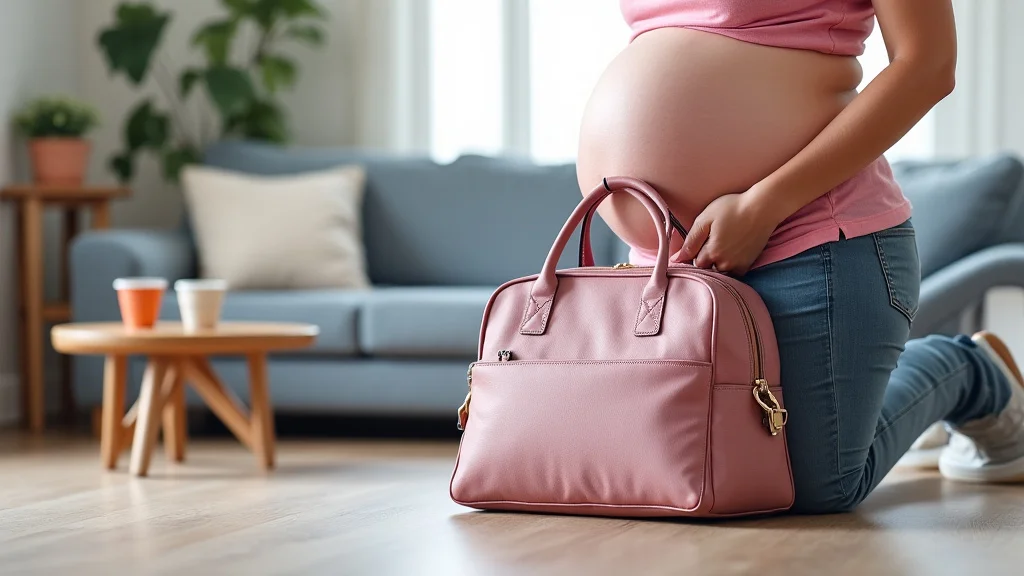
Getting ready for a baby is super exciting! But sometimes, packing the bag for the hospital or birth center can feel a little overwhelming. It’s easy to wonder if you’re forgetting something important or packing too much.
Don’t worry! Having a good pregnancy bag checklist makes it simple. We’ll walk through everything you need, step by step, so you feel totally prepared and relaxed.
Let’s get your bag ready!
Key Takeaways
- You will learn what essentials to pack for yourself during labor and after birth.
- Discover what your newborn will need in their hospital bag.
- Find out what your partner or support person should bring.
- Get tips on organizing your bag for easy access.
- Understand what items are helpful for comfort and recovery.
Packing Your Hospital Bag For You
This section covers all the things you’ll want to have with you for your comfort and care during your hospital stay. It’s about making sure you feel as good as possible while you focus on your new baby. We’ll break it down into categories so it’s easy to pack and find what you need quickly.
Comfort and Clothing
Think about items that will help you relax and feel comfortable. Labor can be long, and the days after can be busy. Having familiar and soft clothes makes a big difference.
- Robe or comfy pajamas: Choose a few with easy access for nursing. A lightweight robe is great for walking around and feeling a little more dressed.
- Slippers or non-slip socks: Hospitals can be chilly. Having warm slippers or socks with grips will keep your feet cozy and safe from slips.
- Going-home outfit: Pack something loose and comfortable that fits your postpartum body. Think sweatpants, a comfy t-shirt, or a flowy dress. Don’t forget a clean pair of underwear.
Personal Care Items
These are the items that help you feel refreshed and clean. After birth, you’ll appreciate having your favorite toiletries.
- Toiletries: Pack a travel-sized toothbrush, toothpaste, shampoo, conditioner, soap or body wash, deodorant, and face wash.
- Lip balm: Your lips can get dry in the hospital air, so a good lip balm is a must-have.
- Hair ties and a brush: Keeping your hair out of your face will make you feel more comfortable.
- Nipple cream: If you plan to breastfeed, this can be a lifesaver for sore nipples.
- Pads and period underwear: Hospitals provide some supplies, but bringing your preferred brands can be more comfortable.
Things for Recovery and Comfort
These items focus on making your recovery smoother and more pleasant.
- Pillows: An extra pillow from home can make your hospital bed feel much cozier and provide better support.
- Snacks and drinks: Pack non-perishable snacks like granola bars, crackers, and fruit. Also, bring a reusable water bottle. Staying hydrated and nourished is key.
- Phone charger and power bank: You’ll want to stay connected and capture those first moments. A long charging cord is useful so you can still use your phone while it charges.
- Entertainment: A book, magazines, or a fully charged tablet can help pass the time during labor and recovery.
Packing for Your New Baby
This part of the pregnancy bag checklist focuses on what your little one will need during your stay. Hospitals provide some basics, but having your own items ensures your baby is comfortable and dressed in what you’ve chosen.
Clothing for Baby
Think simple and practical for these items. Babies grow fast, and you’ll only need a few outfits for your short hospital stay.
- Onesies or sleep suits: Pack 3-5 comfortable onesies or sleep suits. Look for ones with easy snaps for diaper changes, especially around the legs.
- Socks or booties: Keep your baby’s feet warm with a couple of pairs of soft socks or booties.
- A hat: A soft cap is good for keeping your baby’s head warm, especially right after birth.
- Going-home outfit: Choose a comfortable and weather-appropriate outfit for your baby’s first trip home. Make sure it’s easy to put on.
Diapering Supplies
While the hospital will likely provide diapers and wipes, bringing your preferred brand can be helpful.
- Diapers and wipes: Pack a small pack of newborn diapers and a travel-sized pack of baby wipes. This way, you have them ready to go.
Baby Comfort Items
These are items that can help soothe your baby or make their time in the hospital more comfortable.
- Burp cloths: You’ll need plenty of these for spit-ups. Pack 4-6.
- A blanket: A soft, cozy blanket is nice for cuddling or swaddling your baby.
- Pacifiers: If you plan to use pacifiers, bring one or two.
What Your Partner or Support Person Should Bring
Your support person is there to help you. Making sure they have what they need means they can focus on you and the baby.
Comfort and Essentials for Them
Their comfort is important too! They’ll be spending a lot of time at the hospital.
- Comfortable clothing: Pack changes of clothes, pajamas, and comfortable shoes.
- Toiletries: Include their toothbrush, toothpaste, and any other personal care items.
- Snacks and drinks: Having their own supply of snacks and a reusable water bottle is smart. Hospital food options can be limited.
- Entertainment: A book, tablet, or phone with downloaded movies can help them pass the time.
- Pillow and blanket: If they plan to stay overnight, their own comfort items will be appreciated.
Items for Supporting You
These items help them assist you more effectively.
- Phone and charger: To capture memories and stay in touch.
- Camera: For taking photos and videos of the baby’s arrival.
- List of important phone numbers: For keeping family updated.
- Cash for vending machines or small purchases.
Organizing Your Pregnancy Bag
A well-organized bag makes a huge difference when you’re tired or in pain. It saves time and stress for everyone.
Using Packing Cubes and Bags
Packing cubes are excellent for keeping items separated and easy to find. You can assign one cube for clothing, another for toiletries, and so on. This makes it simple to grab what you need without rummaging.
Labeling and Accessibility
If you’re not using packing cubes, use clear plastic bags to group similar items. For example, put all your personal care items in one bag. Labeling bags can be helpful.
Keep the most essential items, like your phone charger and a change of clothes, at the top for easy access.
Keep It Separate
Consider having separate smaller bags for yourself, the baby, and your partner. This way, if one person needs something, they can grab their specific bag without disturbing the others.
Common Myths Debunked
Myth 1 The hospital provides everything you need for the baby.
Reality While hospitals offer basic necessities like diapers, wipes, and swaddling blankets, they are often generic. Bringing your own preferred brands of diapers, wipes, and especially clothing ensures your baby is comfortable in items you’ve chosen. It also helps your baby get used to their own sleep sacks and outfits, making the transition home smoother.
Myth 2 You need to pack a huge amount of baby clothes.
Reality For a typical hospital stay of a few days, you only need a few outfits for your baby. The focus should be on comfort and ease of changing. Too many clothes can lead to unnecessary laundry and clutter in your hospital room.
Simple onesies, sleep suits, socks, and a going-home outfit are usually sufficient.
Myth 3 Your birth plan needs to be in your bag.
Reality While having a birth plan is important, it’s best to have copies readily available in your purse, phone, or with your partner, not just packed away in the main hospital bag. Ensure your medical team has a copy before you go into labor. The bag should contain items for your comfort and care during the process.
Myth 4 You should pack expensive jewelry or electronics.
Reality It’s best to leave valuable items at home. The hospital environment can be chaotic, and there’s a risk of loss or theft. Focus on practical items that enhance your comfort and your baby’s well-being.
Your phone is essential for communication, but limit other expensive gadgets.
Frequently Asked Questions
Question: When should I pack my hospital bag?
Answer: It’s a good idea to pack your hospital bag around 36 weeks of pregnancy. This gives you plenty of time so you aren’t rushing if your baby decides to arrive a little early.
Question: Do I need to bring my own nursing bras and pads?
Answer: Yes, it’s highly recommended. While hospitals might offer some disposable nursing pads, having your own comfortable nursing bras and reusable or preferred brand pads will make breastfeeding much more comfortable for you.
Question: What if I have a C-section? Do I need to pack differently?
Answer: For a C-section, you might want to pack loose, high-waisted underwear or a comfortable nightgown that doesn’t put pressure on your incision. Otherwise, the core items for yourself and the baby remain largely the same.
Question: How many outfits should I pack for my baby?
Answer: For a typical hospital stay, 3-5 onesies or sleep suits are usually enough. This accounts for spit-ups and outfit changes. Don’t forget a comfortable going-home outfit.
Question: Should I bring my own snacks and drinks?
Answer: Absolutely. Hospital food can be limited or not to your taste, and you’ll need sustenance during labor and after. Pack non-perishable snacks and a reusable water bottle to stay hydrated.
Final Thoughts
Getting your pregnancy bag ready is a key step towards welcoming your baby. This checklist covers essentials for you, your baby, and your support person. Packing smartly means less stress and more focus on this special time.
Now you have a clear guide to ensure your bag is perfectly packed and ready for your little one’s arrival.
Leave a Reply