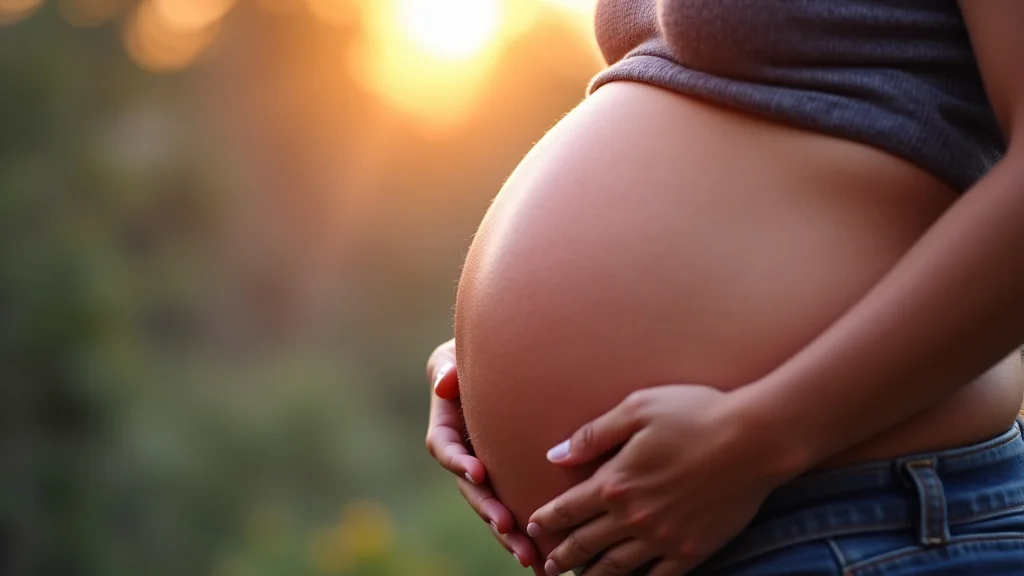
You’re in the home stretch of pregnancy! The third trimester is an exciting time as your baby gets ready to meet you. But it can also feel a little overwhelming with all the changes happening.
Don’t worry, this is a common feeling for many parents-to-be. We’ll break down everything about third trimester fetal development in a way that’s easy to grasp. Get ready for a simple, step-by-step look at what’s happening in those final months.
We’ll cover all the amazing growth and preparation your little one is doing.
Key Takeaways
- Your baby’s organs mature and become fully functional.
- Fat layers build up for insulation and energy.
- Bones harden, except for the skull which stays soft for birth.
- The baby gains weight rapidly and gets bigger.
- Sensory development continues, and the baby can react to light and sound.
- The baby positions itself for birth, usually head-down.
What Happens During Third Trimester Fetal Development
The third trimester marks the final stage of pregnancy, from week 28 until birth. This period is all about rapid growth and maturation. Your baby is getting bigger and stronger every day, preparing for life outside the womb.
Organs that were developed in earlier trimesters are now fine-tuning their functions. This includes the lungs, brain, and digestive system. Your baby is also gaining a significant amount of weight during these months.
This weight gain is crucial for maintaining body temperature and providing energy after birth. It’s a busy time for your little one!
Brain and Nervous System Growth
Your baby’s brain development is incredibly active in the third trimester. The brain is rapidly growing and forming new connections. This is what allows for more complex functions to emerge.
The brain’s surface becomes more wrinkled, increasing its surface area. This helps with processing information more efficiently. The nervous system is also maturing, allowing your baby to sense the world around them.
They can feel touch, hear sounds, and even respond to light. This advanced development prepares them for interacting with their environment after birth.
- Synapse Formation: This is when new connections between nerve cells are made. These connections are the building blocks of learning and memory. Millions of new synapses are formed daily during this time.
- Sensory Organs Maturation: The eyes can now detect light and dark. The ears are fully developed, and the baby can recognize your voice and other familiar sounds.
- Motor Skills Refinement: The baby starts to develop more controlled movements. They can kick, stretch, and even suck their thumb with more coordination.
These advancements in brain and nervous system growth are essential. They allow your baby to start understanding and reacting to the outside world even before they are born. This preparation is a vital part of the third trimester fetal development process.
Lung Development and Breathing Readiness
While lungs are formed early in pregnancy, they are not fully mature until the third trimester. A critical substance called surfactant begins to be produced. Surfactant is a soapy liquid that coats the air sacs in the lungs.
It prevents them from sticking together when the baby exhales. Without enough surfactant, the baby would have difficulty breathing on their own. This development is one of the most important milestones in preparing for birth.
- Surfactant Production: The production of surfactant ramps up significantly from about week 32. This substance is key to allowing the lungs to inflate and deflate properly.
- Practice Breaths: Your baby begins to practice breathing movements in the womb. They inhale and exhale amniotic fluid. This helps strengthen their diaphragm and lungs.
- Increased Oxygenation: As the lungs mature, the baby becomes more efficient at absorbing oxygen from the amniotic fluid. This is a crucial step for survival outside the uterus.
The maturation of the lungs is a prime example of the incredible biological preparation happening. It ensures your baby is as ready as possible for their first breaths of air.
Bone and Skeletal Maturation
During the third trimester, your baby’s bones continue to harden. This process is called ossification. The bones that form the skull remain soft and flexible.
These are called fontanelles.
- Skull Fontanelles: The soft spots on the baby’s head allow the skull bones to overlap slightly during birth. This helps the baby pass through the birth canal more easily. These fontanelles will eventually close after birth.
- Bone Hardening: Most other bones in the body, like those in the arms and legs, continue to ossify. This makes them stronger and more rigid, preparing them for movement and weight-bearing.
- Joint Development: The joints between these hardening bones also become more developed. This allows for a wider range of motion.
This ongoing development of the skeletal system is fundamental. It ensures that your baby has a strong framework for future growth and mobility.
Weight Gain and Fat Accumulation
A significant portion of your baby’s birth weight is gained during the final weeks of pregnancy. This rapid weight gain is fueled by the fat your baby is accumulating. This fat serves multiple important purposes after birth.
It helps keep the baby warm in the cooler environment outside the womb. It also acts as a vital energy reserve.
- Subcutaneous Fat: The baby develops a layer of fat just under the skin. This fat provides insulation and helps maintain body temperature. It also gives the baby that characteristic chubby appearance.
- Energy Stores: The accumulated fat is a crucial source of energy for the newborn. It helps them through feeding challenges and growth spurts in the early days.
- Body Proportions: The weight gain helps the baby achieve more proportionate body measurements. Limbs and torso become more filled out.
This accumulation of fat is a visible sign of how well-nourished and prepared your baby is. It’s a critical component of third trimester fetal development.
Digestive System Readiness
Your baby’s digestive system is also busy getting ready to process food. In the womb, the baby gets all their nutrition through the placenta. However, the digestive tract is developing so it can handle milk after birth.
- Meconium Formation: The intestines accumulate a dark, sticky substance called meconium. This is made up of swallowed amniotic fluid, lanugo (fine hair), and dead skin cells. Meconium will be the baby’s first stool after birth.
- Enzyme Production: The digestive system starts producing enzymes needed to break down milk. This prepares it for digesting carbohydrates, proteins, and fats.
- Gut Microbiome Colonization: While the womb is a sterile environment, the baby’s gut starts to get ready for colonization by bacteria. This process begins during birth and continues after.
The development of the digestive system is essential for the baby’s survival and growth. It ensures they can effectively absorb nutrients from breast milk or formula.
Baby’s Position for Birth
As the third trimester progresses, your baby will typically settle into a position for birth. The most common and ideal position is head-down, also known as cephalic presentation. The baby’s head is tucked towards the cervix.
- Head-Down Presentation: This position is favorable because the baby’s head is the largest part of their body. Having it engage with the cervix first can help dilate it efficiently during labor.
- Breech Presentation: Less commonly, the baby may be in a breech position, meaning their bottom or feet are positioned to come first. There are variations of breech.
- Transverse Lie: In rare cases, the baby may lie sideways in the uterus. This is called a transverse lie.
Your healthcare provider will monitor your baby’s position throughout the third trimester. They will discuss the best birth plan based on the baby’s presentation. This positional settling is a key aspect of the final stage of fetal development.
Sensory Experiences and Responses
Even before birth, your baby is experiencing a world of sensations. Their senses are becoming more acute as the third trimester progresses. This allows them to interact with their environment in meaningful ways.
- Hearing Development: Your baby can hear sounds from inside and outside the womb. They can recognize your voice, your partner’s voice, and familiar music. Loud noises may cause them to startle.
- Sight and Light Perception: While vision is not fully developed, babies can perceive light through the uterine walls. They may squint or turn away from a bright light shone on your abdomen.
- Touch and Taste: The baby can feel touch and even taste the amniotic fluid, which changes flavor based on your diet. They may respond to your touch by moving or kicking.
These sensory experiences are not just passive. They contribute to early learning and bonding. The interactions your baby has in the womb lay the groundwork for their engagement with the world.
External Factors Affecting Development
What you do and consume during pregnancy directly impacts fetal development. The third trimester is a critical period where these external factors are very important.
Good nutrition is paramount. Eating a balanced diet provides the necessary vitamins, minerals, and calories for rapid growth. Foods rich in protein, iron, calcium, and omega-3 fatty acids are especially beneficial.
For example, studies show that adequate iron intake during pregnancy can reduce the risk of preterm birth and low birth weight. Data from the Centers for Disease Control and Prevention (CDC) indicates that a significant percentage of pregnant women do not meet recommended daily intakes for certain micronutrients.
- Maternal Diet: Consuming a variety of nutrient-dense foods supports healthy fetal growth. This includes fruits, vegetables, lean proteins, and whole grains. It’s important to avoid certain foods like raw fish or unpasteurized dairy to prevent infections.
- Prenatal Vitamins: A prenatal vitamin helps fill any nutritional gaps. Folic acid is crucial for preventing neural tube defects, and iron is vital for the baby’s blood development.
- Avoiding Harmful Substances: Smoking, alcohol consumption, and illicit drug use can have severe negative impacts on fetal development. These can lead to birth defects, premature birth, and developmental delays.
- Stress Management: High levels of maternal stress can affect fetal development. Practicing relaxation techniques and seeking support can be beneficial.
Creating a healthy environment for your baby is one of the most impactful things you can do. This focus on external factors ensures optimal outcomes for third trimester fetal development.
Common Myths Debunked
Myth 1: The baby’s brain is fully developed at birth.
Reality: While significant brain development occurs in the womb, the brain continues to grow and mature for many years after birth. The third trimester sees rapid synapse formation, but the complex wiring and refinement continue through infancy and childhood.
Myth 2: The baby can’t feel pain until after birth.
Reality: Research suggests that the nervous system develops the capacity to feel pain in the second half of pregnancy, including the third trimester. This is why healthcare providers take measures to manage pain during late-term procedures.
Myth 3: Babies don’t move much in the third trimester because they are running out of space.
Reality: While movements may change in character from big kicks to more rolls and wiggles due to space constraints, a decrease in the frequency or intensity of movements can be a sign for concern. Babies still need to move regularly.
Myth 4: All babies automatically turn head-down for birth by week 36.
Reality: While most babies do turn head-down, it is not guaranteed for everyone by week 36. Some babies remain in a breech or other position. This is why monitoring is important and why birth plans may need to be adjusted.
Frequently Asked Questions
Question: How much weight should my baby gain in the third trimester?
Answer: Babies typically gain about half a pound to a full pound per week during the third trimester. This adds up to a significant amount of weight as they prepare for birth.
Question: Can my baby hear me when I talk in the third trimester?
Answer: Yes, your baby’s hearing is quite developed in the third trimester. They can hear your voice, music, and sounds from outside the womb.
Question: Will my baby be born with a full head of hair?
Answer: Some babies are born with hair, while others are born with very fine, downy hair or are even bald. The amount of hair varies greatly among newborns.
Question: When does my baby start to look like they have a ‘birth’ face?
Answer: In the third trimester, the baby’s facial features become more defined. Their skin also loses its transparency as fat deposits build up, giving them a more ‘formed’ appearance.
Question: Is it normal for my baby’s movements to feel different in the third trimester?
Answer: Yes, it is normal for movements to feel different. Instead of big kicks, you might feel more rolls, stretches, and wiggles as your baby grows and has less room.
Summary
The third trimester is a period of remarkable final preparations for your baby. Organs mature, fat accumulates for warmth and energy, and bones harden for structure. Your baby practices breathing and refines sensory responses.
They also move into position for birth. This stage of third trimester fetal development is amazing. Focus on healthy habits to support this growth.
Leave a Reply