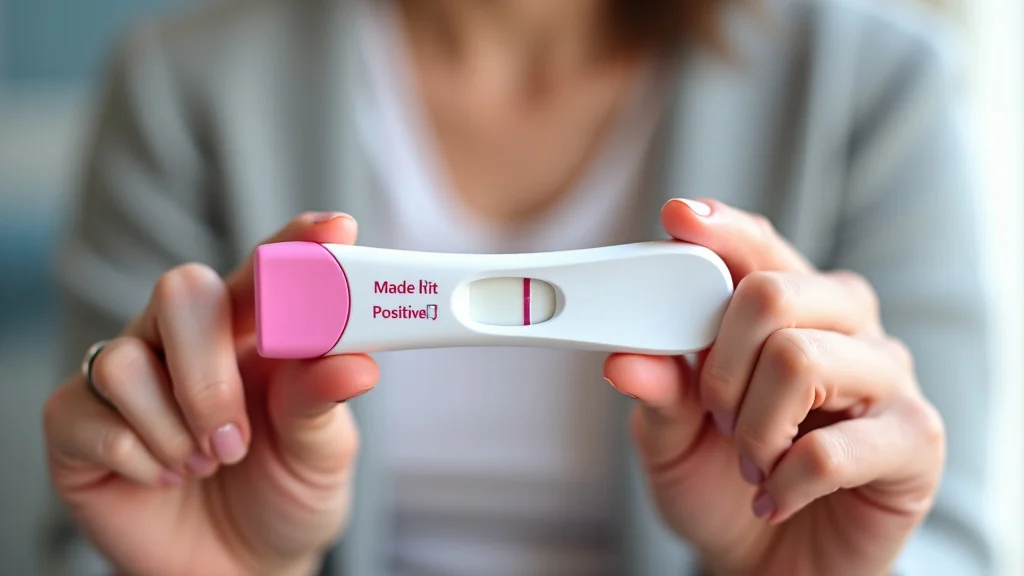
Seeing a pregnancy test kit positive result can bring a mix of feelings. For many, especially those trying for the first time, it’s a moment filled with hope and perhaps a little worry. It’s completely normal to feel a bit unsure about what comes next.
This guide is here to make things simple. We will walk you through everything you need to know, step by step, so you can feel confident and prepared. Get ready to learn about what this result means and what your next steps should be.
Key Takeaways
- What a positive pregnancy test means for your body.
- How to confirm your positive test result.
- Important health steps to take after a positive result.
- Understanding early pregnancy signs and symptoms.
- Resources and support available for expecting parents.
- What to expect in the early weeks of pregnancy.
Understanding A Pregnancy Test Kit Positive
When your home pregnancy test shows a pregnancy test kit positive result, it means the test has detected a hormone called human chorionic gonadotropin (hCG) in your urine. This hormone is produced shortly after a fertilized egg attaches to the wall of your uterus. The amount of hCG in your body increases rapidly in the early weeks of pregnancy.
Home pregnancy tests are designed to be sensitive enough to pick up even small amounts of this hormone, indicating that pregnancy has likely occurred. This initial result is a wonderful sign, but it’s the first step in a series of developments.
How Pregnancy Tests Work
Pregnancy tests work by using antibodies that bind to the hCG hormone. When you dip the test stick into your urine, or hold it in your urine stream, the urine travels up the test strip. If hCG is present, it binds to these antibodies.
This binding action causes a chemical reaction that results in a visible line, plus sign, or digital reading on the test display. The intensity of the line can sometimes give a hint about the level of hCG, but it’s not a definitive measure of how far along you are. Different brands have slightly different designs and ways of showing a positive result, so always check the instructions that come with your specific kit.
These tests are highly accurate, especially when used correctly. Most tests recommend waiting until after you’ve missed your period for the most reliable results. This is because hCG levels are typically high enough to be detected by then.
Testing too early might lead to a false negative, where the test doesn’t detect hCG even if you are pregnant. Following the instructions precisely—including how long to wait before reading the result—is key to getting an accurate positive or negative result.
The Role of hCG Hormone
The hormone hCG, or human chorionic gonadotropin, is the key indicator that a pregnancy test kit is positive. It’s often called the “pregnancy hormone” because its presence is almost exclusively linked to pregnancy. hCG is produced by cells that will eventually form the placenta.
It signals to your body that pregnancy has begun and helps maintain the pregnancy in the early stages by preventing the breakdown of the uterine lining. Without hCG, the body would shed the lining, similar to a menstrual period.
The concentration of hCG in a pregnant person’s body roughly doubles every 48 to 72 hours during the first trimester. This rapid increase is why pregnancy tests become more accurate the longer you wait after conception. For instance, a test taken on the day your period is due might show a faint positive, while a test taken a few days later might show a much stronger line.
Understanding this hormonal fluctuation helps explain why timing is so important when taking a home pregnancy test and why a detected level of hCG truly signifies a positive result.
Interpreting Your Positive Result
Interpreting a pregnancy test kit positive result is usually straightforward, thanks to the clear instructions provided with each test. Most tests will display a line, a plus sign, or the word “pregnant” on a digital screen. If you see this indicated result, it’s a strong sign that you are pregnant.
Some tests may show a very faint line, which can sometimes cause confusion. In most cases, even a faint positive line means hCG is present and you are likely pregnant.
It’s important to remember that home pregnancy tests are screening tools. While they are very accurate, they are not a diagnostic medical device. This means that while a positive result is a very strong indicator, it’s always best to confirm it with a healthcare provider.
They can perform blood tests or ultrasounds that provide even more certainty about the pregnancy and its progress. Don’t hesitate to reach out to your doctor or a local clinic after seeing a positive result.
Common Reasons for a Positive Test
The most common and straightforward reason for a pregnancy test kit positive is, of course, that you are pregnant. This is what the test is designed to detect. When the fertilized egg implants in the uterus, it starts producing hCG, and the test picks this up.
Congratulations are in order if this is your desired outcome!
However, in very rare instances, other situations can lead to a positive pregnancy test. For example, certain fertility treatments involve injecting hCG to stimulate ovulation. If you have recently undergone such treatments, this could cause a false positive.
Additionally, some rare medical conditions, like certain types of ovarian cysts or tumors, can produce hCG. These are uncommon, but worth being aware of. For the vast majority of people, a positive test means a pregnancy is underway.
Confirming Your Positive Result With A Doctor
Receiving a positive result from a home pregnancy test is an exciting moment, but it’s crucial to confirm it with a healthcare professional. This confirmation step is vital for several reasons, including ensuring the health of both the pregnant person and the developing baby, and to begin proper prenatal care. Your doctor has the tools and expertise to give you the most accurate confirmation and guidance.
The Importance of Medical Confirmation
While home pregnancy tests are highly accurate, a doctor’s confirmation provides a more definitive answer and opens the door to essential next steps. A healthcare provider can perform a blood test to measure hCG levels. Blood tests are generally more sensitive than urine tests and can detect pregnancy even earlier.
They can also determine the exact amount of hCG, which can offer insights into how far along the pregnancy might be and its progression.
Furthermore, a medical confirmation allows your doctor to discuss your medical history, identify any potential risks, and provide personalized advice. This initial visit is also when you’ll likely schedule your first prenatal appointment, which is critical for monitoring the pregnancy’s health and development. Relying solely on a home test, while convenient, misses out on this vital medical oversight that is fundamental to a healthy pregnancy.
What To Expect At Your First Doctor’s Visit
After you get a pregnancy test kit positive, your first doctor’s visit will typically be scheduled a few weeks after your missed period, or when you are around 6-8 weeks pregnant. The doctor will want to confirm the pregnancy and check on its early development. You can expect a detailed discussion about your health history, including any previous pregnancies, medical conditions, medications you’re taking, and family history of any genetic conditions.
During this visit, your doctor will likely perform a pelvic exam and may offer a blood test to confirm hCG levels and check your blood type and Rh factor. Depending on how far along you are, they might also recommend an ultrasound to visualize the gestational sac and embryo, and to estimate the due date. This is also your opportunity to ask any questions you have about the pregnancy, your symptoms, and what to expect in the coming weeks and months.
It’s a time to gather information and feel supported.
Blood Tests vs. Urine Tests
Both blood tests and urine tests detect hCG to confirm pregnancy, but they differ in sensitivity and application. Urine tests, like the home pregnancy test kits, detect hCG in your urine. They are convenient, private, and readily available.
A positive result on a home urine test is usually very accurate, especially when taken correctly after missing your period.
Blood tests, on the other hand, can detect hCG earlier than urine tests, sometimes as soon as 6-8 days after ovulation. There are two types: qualitative blood tests, which simply check for the presence of hCG (positive or negative), and quantitative blood tests (beta hCG), which measure the exact amount of hCG in your blood. Quantitative tests are particularly useful for tracking the progression of early pregnancy and can help diagnose certain pregnancy complications.
While urine tests are great for initial screening, blood tests offer greater precision and earlier detection.
Early Pregnancy Signs And Symptoms
Once you have a confirmed pregnancy test kit positive, you might start noticing or experiencing various physical changes. These early signs and symptoms can vary greatly from person to person, and some may even have very few noticeable symptoms in the early weeks. It’s important to remember that not all symptoms guarantee pregnancy, and some can be related to other bodily functions or premenstrual syndrome (PMS).
However, when they appear alongside a positive test, they can offer further clues.
Common Early Pregnancy Symptoms
One of the most common early pregnancy signs is a missed period, especially if your menstrual cycles are usually regular. Another frequent symptom is nausea, often referred to as “morning sickness,” which can occur at any time of day, not just in the morning. Breast changes are also very common; you might notice your breasts feel tender, swollen, or heavier.
Some people also experience increased urination as their body starts producing more fluid and the growing uterus puts pressure on the bladder.
Fatigue is another significant symptom, as your body is working hard to support the pregnancy. You might feel unusually tired or sleepy. Changes in appetite, such as cravings for certain foods or an aversion to others, are also common.
Some individuals might experience light spotting or cramping, which can be implantation bleeding, a sign of the fertilized egg attaching to the uterine wall. These symptoms, combined with a positive test, paint a clear picture of early pregnancy.
Spotting And Cramping Explained
Light spotting or cramping can be a cause for concern, but it’s often a normal part of early pregnancy. Implantation bleeding can occur about 6 to 12 days after fertilization, when the fertilized egg attaches to the uterine lining. This bleeding is usually light, often just a few spots of blood, and may be pinkish or brownish.
It’s typically much lighter than a regular menstrual period and lasts for a shorter time.
Mild cramping can also happen as the uterus begins to stretch and grow to accommodate the developing embryo. These cramps are usually mild and may feel similar to menstrual cramps. However, if you experience severe cramping, heavy bleeding that soaks a pad, or bleeding accompanied by fever or unusual discharge, it’s crucial to contact your healthcare provider immediately.
These could be signs of a complication, such as an ectopic pregnancy or miscarriage, which require prompt medical attention.
Mood Swings And Emotional Changes
The hormonal shifts that occur during early pregnancy can have a significant impact on your emotions, leading to mood swings and heightened emotional sensitivity. The surge in hormones like estrogen and progesterone, alongside the production of hCG, can affect neurotransmitters in your brain that regulate mood. This means you might find yourself feeling happier or more joyful one moment, and then feeling irritable, anxious, or tearful the next.
These emotional changes are completely normal and are a natural response to the significant physical and hormonal adjustments your body is undergoing. It’s helpful to be aware that these fluctuations can occur and to practice self-care during this time. Open communication with your partner, friends, or family about how you’re feeling can provide valuable support.
If you experience persistent feelings of sadness, anxiety, or overwhelming emotions, it is important to discuss this with your healthcare provider, as they can offer guidance and support for managing emotional well-being during pregnancy.
Taking Care Of Yourself After A Positive Test
Congratulations on your pregnancy test kit positive! This is a significant moment, and now is the time to focus on nurturing your health and well-being to support your developing baby. Making informed choices about your lifestyle, diet, and healthcare will lay a strong foundation for a healthy pregnancy.
Your body is undergoing amazing changes, and giving it the best possible care is essential.
Dietary Considerations For Early Pregnancy
Good nutrition is paramount from the moment you discover you are pregnant. Focus on a balanced diet rich in fruits, vegetables, whole grains, and lean proteins. Folic acid is particularly important in the early weeks to help prevent neural tube defects in the developing baby.
Many healthcare providers recommend starting a prenatal vitamin that contains folic acid, iron, calcium, and other essential nutrients as soon as you suspect you might be pregnant or after confirming a positive test.
It’s also important to be aware of foods to avoid. This includes raw or undercooked meats, poultry, and seafood, as well as unpasteurized dairy products and certain types of fish high in mercury. These foods can carry bacteria or parasites that could harm the pregnancy.
Staying well-hydrated by drinking plenty of water is also key. Your healthcare provider will give you specific dietary recommendations based on your individual health needs.
Lifestyle Adjustments To Consider
Several lifestyle adjustments can significantly contribute to a healthy pregnancy. If you smoke, quitting is one of the most important steps you can take for your baby’s health. Similarly, limiting or eliminating alcohol consumption is strongly advised.
Even small amounts of alcohol can be harmful to a developing fetus.
Be mindful of caffeine intake, as high levels have been associated with increased risks. It’s generally recommended to limit caffeine to around 200 milligrams per day, which is about one 12-ounce cup of coffee. Regular, moderate exercise is beneficial, but it’s wise to discuss your exercise routine with your doctor to ensure it’s safe for pregnancy.
Avoiding exposure to certain chemicals, excessive heat, and strenuous activities is also important.
Prenatal Vitamins And Supplements
Prenatal vitamins are a cornerstone of early pregnancy care. They are specifically formulated to provide the nutrients a pregnant person needs to support both their health and the baby’s growth and development. Key ingredients include folic acid, which is crucial for preventing birth defects of the brain and spine.
Iron is vital for preventing anemia and supporting the increased blood volume during pregnancy. Calcium and vitamin D are important for the baby’s bone development and the parent’s bone health.
While prenatal vitamins are essential, they are not a substitute for a healthy diet. They are meant to supplement the nutrients you get from food. It’s important to choose a prenatal vitamin recommended by your healthcare provider, as some may contain higher or lower doses of certain nutrients, or include additional beneficial ingredients.
Always take them as directed and discuss any concerns about supplements with your doctor.
Common Myths Debunked
Myth 1: A Faint Positive Line Means You’re Not Really Pregnant
Reality: A faint positive line on a pregnancy test indicates that the test has detected hCG, the pregnancy hormone. Even a faint line means there’s enough hCG present to trigger a positive result. The intensity of the line can vary based on how concentrated your urine is and how much hCG is currently in your system.
For the most accurate reading, it’s best to test with first-morning urine, which is more concentrated. If you see any line, it’s a good idea to confirm with your doctor.
Myth 2: You Can Tell If It’s A Boy Or Girl By The Way You’re Carrying
Reality: The idea that carrying high or low, or having a wide or narrow belly, can predict a baby’s sex is purely folklore. The way a pregnant person carries is determined by various factors, including the position of the fetus, the amount of amniotic fluid, and the pregnant person’s own body shape and muscle tone. There is no scientific basis to support these old wives’ tales.
The only reliable ways to determine a baby’s sex are through medical tests like ultrasounds or genetic testing later in pregnancy.
Myth 3: Morning Sickness Only Happens In The Morning
Reality: The term “morning sickness” is a bit of a misnomer. Nausea and vomiting associated with early pregnancy can occur at any time of the day or night. For many pregnant individuals, symptoms might be worse in the afternoon or evening, or they might experience nausea constantly throughout the day.
This condition is more accurately called ‘nausea and vomiting of pregnancy’ (NVP) because it’s not limited to just the morning hours. The timing and intensity of these symptoms vary greatly among individuals.
Myth 4: You Should Avoid All Exercise During Pregnancy
Reality: In most cases, moderate exercise is not only safe but also highly beneficial during pregnancy. Regular physical activity can help manage weight gain, reduce backaches, improve sleep, boost energy levels, and prepare your body for labor and delivery. However, it’s essential to consult with your healthcare provider before starting or continuing any exercise routine.
They can advise you on safe exercises and any activities you should avoid based on your specific health and pregnancy status.
Frequently Asked Questions
Question: What should I do if my pregnancy test kit is positive and I’m not ready to be pregnant?
Answer: If you have a positive pregnancy test and are not ready for pregnancy, it’s important to seek support and explore your options. You can speak with your healthcare provider, a counselor, or an organization that offers reproductive health services. They can provide accurate information about all your choices, including continuing the pregnancy and parenting, adoption, or ending the pregnancy.
They will offer confidential guidance and resources to help you make the best decision for your situation.
Question: Can certain medications affect a pregnancy test kit positive result?
Answer: In very rare cases, certain medications can affect pregnancy test results. Fertility drugs containing hCG can cause a false positive. Some other medications might cause a false negative or a false positive, but this is extremely uncommon.
If you are taking any medications, especially fertility treatments, it’s always a good idea to inform your doctor and follow their advice regarding pregnancy testing.
Question: How soon after a positive test should I see a doctor?
Answer: It’s generally recommended to schedule a doctor’s appointment within a week or two of getting a positive pregnancy test, especially if you’re not experiencing any immediate concerns. Your doctor will likely want to confirm the pregnancy, discuss your medical history, and schedule your first prenatal visit, which usually occurs around 6-8 weeks of pregnancy or when you’ve missed your period. They will guide you on the best timing for your specific situation.
Question: Is it possible to have a positive pregnancy test and still miscarry?
Answer: Yes, it is possible to have a positive pregnancy test and then later experience a miscarriage. A positive test indicates that hCG levels are present, signifying the start of a pregnancy. However, early miscarriages can occur naturally, where the body ends the pregnancy on its own.
If you have a positive test and experience symptoms like heavy bleeding or severe cramping, it’s crucial to contact your healthcare provider immediately.
Question: How accurate are home pregnancy tests for detecting a positive pregnancy?
Answer: Home pregnancy tests are very accurate, often over 99% accurate when used correctly. They detect the hormone hCG, which is produced during pregnancy. The accuracy can be affected by testing too early, not following the instructions precisely, or using expired tests.
For the most reliable results, it’s recommended to test after you’ve missed your period and use first-morning urine. Confirming the result with a healthcare provider is always the best final step.
Final Thoughts
Seeing a pregnancy test kit positive is a significant event. This guide has shown you what it means, how to confirm it with your doctor, and what early signs to expect. We’ve covered diet, lifestyle, and the importance of prenatal care.
Remember to prioritize your health and seek professional guidance. You’ve got this, and taking these first steps will help ensure a healthy start for you and your baby.
Leave a Reply