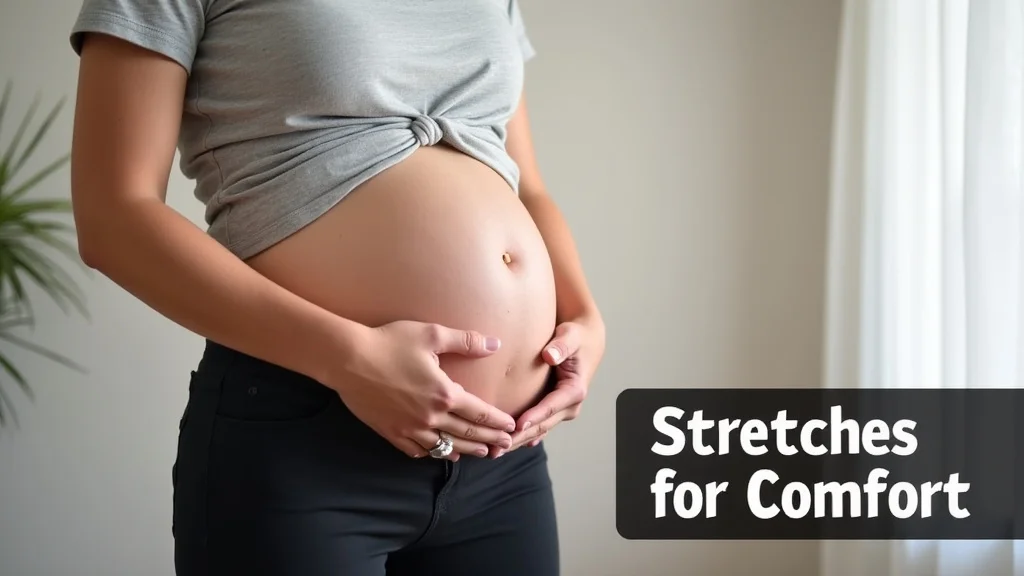
As your pregnancy progresses into the second trimester, you might start to feel some new aches and tightness in your body. This is totally normal! Your body is changing, and sometimes it just needs a little help to feel more comfortable.
If you’re new to stretching or pregnancy exercises, the idea of doing second trimester stretches might seem a bit confusing or even tricky. But don’t worry, it’s much simpler than you think. We’ll walk through easy steps to help you feel better.
Ready to find some relief? Let’s get started with some gentle movements that will make a big difference.
Key Takeaways
- Learn about the benefits of specific stretches for second-trimester comfort.
- Discover simple, safe stretches you can do at home.
- Understand how to listen to your body during pregnancy exercises.
- Find ways to ease common pregnancy discomforts through movement.
- Gain confidence in incorporating stretching into your daily routine.
Gentle Second Trimester Stretches
The second trimester often brings a sense of renewed energy after the first trimester’s fatigue. However, this phase also means your body is visibly changing. Your growing baby bump can lead to new physical sensations, including stiffness and discomfort in your back, hips, and legs.
Gentle stretching is a wonderful way to address these changes. It helps improve circulation, reduce muscle tension, and prepare your body for labor. These movements are designed to be safe and effective for most pregnant individuals, focusing on relieving common pregnancy symptoms.
We will explore a range of movements that target key areas, promoting relaxation and physical well-being throughout this exciting stage of pregnancy.
Back Relief Stretches
Your back can feel a lot of pressure as your pregnancy progresses. The extra weight of your growing baby shifts your center of gravity, which can strain your lower back muscles. Simple stretches can help loosen these muscles and ease discomfort.
Focusing on spinal mobility and gentle elongation can make a significant difference in your daily comfort. These techniques are easy to learn and can be incorporated into your routine whenever you feel stiff.
Cat-Cow Pose
This pose is a classic for a reason. It gently moves your spine through its full range of motion. You’ll start on your hands and knees.
Make sure your hands are directly under your shoulders and your knees are under your hips. As you inhale, drop your belly towards the floor, lift your chest and tailbone, and look slightly upwards. This is the ‘cow’ part, creating a gentle arch in your back.
Then, as you exhale, round your spine towards the ceiling, tuck your chin to your chest, and draw your belly button in. This is the ‘cat’ part, stretching your back muscles. Move slowly and mindfully with your breath.
Repeat this 5 to 10 times. This movement helps to release tension in your back and improve spinal flexibility. It’s great for counteracting the strain of carrying extra weight.
Child’s Pose Variation
While traditional Child’s Pose might become less comfortable as your belly grows, a modified version can offer wonderful relief. Start on your hands and knees. Instead of bringing your knees tightly together, widen them to make space for your belly.
Then, sink your hips back towards your heels. You can rest your forehead on the mat, on a cushion, or even on your hands stacked one on top of the other.
Let your arms extend forward or rest alongside your body. This pose gently stretches your back muscles, particularly in the lower back, and also opens up your hips. It’s a very restorative pose that can help you relax and de-stress.
Aim to hold this for 30 seconds to a minute, breathing deeply. It’s a peaceful way to find comfort and release tension.
Hip and Pelvic Stretches
Your hips and pelvis undergo significant changes during pregnancy to accommodate your growing baby and prepare for birth. This can lead to tightness, pain, and a feeling of instability. Stretches that open the hips and create space in the pelvic bowl can be incredibly beneficial.
These movements help to relieve pressure on the sciatic nerve and improve overall mobility in the lower body.
Butterfly Stretch (Bound Angle Pose)
This stretch is fantastic for opening up your inner thighs and hips. Sit on the floor with the soles of your feet together. Let your knees fall out to the sides.
You can sit against a wall for support if needed. Bring your heels as close to your body as is comfortable.
Gently allow your knees to relax away from your body. You can place cushions under your knees for support if this feels too intense. To deepen the stretch, you can gently lean forward from your hips, keeping your back straight.
This movement helps to release tension in your hips and groin area. Hold for 30 to 60 seconds, breathing deeply into your hips.
Hip Flexor Stretch
Tight hip flexors are common during pregnancy, often caused by sitting for long periods or changes in posture. This stretch helps to lengthen these muscles. Kneel on one knee, with your other foot flat on the floor in front of you, creating a 90-degree angle at both knees.
Keep your torso upright.
Gently tuck your tailbone under slightly and press your hips forward. You should feel a stretch in the front of the hip of the leg that is kneeling. Avoid arching your back.
If you feel any sharp pain, ease up. Hold for 20 to 30 seconds on each side. This stretch can help alleviate lower back pain by releasing tension in the front of the hips.
Leg and Ankle Relief
Swelling in the legs and ankles is a common symptom during pregnancy. Stretches and movements that improve circulation can help reduce this swelling and prevent cramps. Keeping your leg muscles limber also helps with overall comfort and mobility.
Calf Stretches
Tight calf muscles can contribute to foot pain and cramps. To stretch your calf, stand facing a wall. Place your hands on the wall at chest height.
Step one foot back, keeping that leg straight and your heel on the floor. Bend your front knee.
You should feel a stretch in the calf of your back leg. To target the lower calf muscle (soleus), slightly bend the back knee while keeping the heel down. Hold each stretch for 20 to 30 seconds, breathing deeply.
Repeat 2 to 3 times on each leg. This simple stretch can provide significant relief for tired legs.
Ankle Circles
Improving ankle mobility can help with swelling and discomfort. Sit or lie down comfortably. Gently rotate your ankles in a circular motion, first in one direction, then in the other.
Do about 10 circles in each direction for each ankle.
This simple movement helps to lubricate the ankle joint and improve circulation. It’s a great way to give your feet and ankles a little pampering, especially if you’ve been on your feet a lot. You can do this anytime, anywhere, making it a super convenient way to care for your lower legs.
Chest and Shoulder Opening
As your pregnancy progresses, you might find yourself hunching forward slightly to accommodate your growing belly. This can lead to tightness in your chest and shoulders. Stretches that open up the chest and shoulders can improve posture, ease breathing, and relieve upper back tension.
Doorway Chest Stretch
This stretch is excellent for opening up your chest and shoulders. Stand in a doorway. Place your forearms on the doorframe, with your elbows bent at a 90-degree angle and at shoulder height.
Step forward gently through the doorway until you feel a stretch across your chest and the front of your shoulders.
Keep your back straight and breathe deeply. Hold this stretch for 20 to 30 seconds. Repeat 2 to 3 times.
This helps to counteract rounded shoulders and can make breathing feel easier. It’s a simple way to create more space in your upper body.
Shoulder Rolls
For quick relief from upper back and shoulder tension, shoulder rolls are perfect. Sit or stand tall. Gently roll your shoulders up towards your ears, then back, then down.
Make large, smooth circles.
Do 10 rolls in one direction, then reverse and do 10 rolls in the other direction. This simple movement helps to release tightness in the trapezius muscles and improve circulation in the neck and shoulder area. It’s a great way to de-stress and re-center yourself throughout the day.
Prenatal Yoga Poses for Stretching
Prenatal yoga is a wonderful way to combine stretching, strength, and relaxation. Many yoga poses can be modified to be safe and beneficial during pregnancy. These poses not only stretch your muscles but also help you connect with your body and prepare for labor.
Remember to listen to your body and avoid any poses that cause discomfort or strain.
Goddess Pose (Utkata Konasana) Variation
Goddess Pose is a powerful pose for opening the hips and strengthening the legs. Stand with your feet wider than hip-width apart, with your toes turned slightly outwards. As you exhale, bend your knees deeply, lowering your hips down towards a squatting position.
Keep your torso upright and your spine long.
Bring your hands to your heart in prayer position, or rest your elbows on your knees and press your knees gently outwards. This pose opens the hips and groin. Hold for a few breaths, feeling the strength in your legs and the openness in your hips.
If the squat is too deep, you can simply stand with feet wide and a slight bend in the knees.
Thread the Needle Pose
This pose is excellent for releasing tension in the upper back and shoulders. Start on your hands and knees. Reach one arm up towards the ceiling, opening your chest.
Then, “thread” that arm underneath your body, bringing your shoulder and head to rest on the mat.
Your other hand can stay planted for support or reach forward for a deeper stretch. This gentle twist helps to release tension between the shoulder blades. Hold for a few breaths, then repeat on the other side.
It’s a great way to improve spinal mobility and ease upper back stiffness.
Important Considerations for Second Trimester Stretches
Safety and listening to your body are paramount when practicing any second trimester stretches. Pregnancy is a unique experience, and what feels good for one person may not for another. It’s essential to approach these movements with awareness and respect for your changing body.
We will discuss key principles that ensure your stretching routine is both effective and safe throughout this period.
Listen to Your Body
This is the most important rule. During pregnancy, your body produces a hormone called relaxin, which softens your ligaments. This can make you more flexible but also more prone to overstretching and injury.
Never push yourself into a stretch that feels painful or uncomfortable. A gentle pull is good; sharp pain is a signal to stop or ease up immediately.
Pay attention to how your body responds to each stretch. If a particular movement doesn’t feel right, skip it. There are always alternative stretches that can provide similar benefits without causing distress.
Your intuition is a powerful guide during pregnancy. Trust it.
Avoid Certain Positions
As your pregnancy progresses, especially into the second and third trimesters, you should avoid lying flat on your back for extended periods. This is because the weight of your uterus can press on a major vein called the inferior vena cava, which can reduce blood flow to your baby and make you feel dizzy or nauseous.
Most of the stretches mentioned can be performed sitting, kneeling, or standing. If a pose requires lying on your back, modify it by placing a wedge or pillows under your right hip to tilt your body slightly. Always prioritize positions that feel comfortable and safe for you and your baby.
Stay Hydrated and Breathe
Drinking plenty of water is crucial during pregnancy, especially when you are exercising or stretching. Hydration helps keep your muscles supple and prevents cramps. Alongside hydration, focus on your breath.
Deep, conscious breathing can enhance the benefits of your stretches, promoting relaxation and reducing tension.
Try to synchronize your breath with your movements. Inhale as you prepare for a stretch and exhale as you deepen into it. Breathing deeply also helps to calm your nervous system, which is beneficial for both you and your baby.
Don’t hold your breath; continuous, smooth breathing is key.
Common Myths Debunked
Myth 1: All stretches are safe during pregnancy
Reality: While many stretches are safe and beneficial, some poses or movements can put undue stress on your body during pregnancy. For instance, deep twists, inversions, or poses that put pressure on the abdomen should generally be avoided or heavily modified. The hormone relaxin makes your joints looser, increasing the risk of overstretching and injury.
Always consult with a healthcare provider or a certified prenatal yoga instructor for guidance on safe practices.
Myth 2: Stretching can cause premature labor
Reality: Gentle, mindful stretching, when done correctly, is not known to cause premature labor. In fact, preparing your body with gentle movements can actually support a smoother labor and delivery. Extreme or forceful stretching, however, could potentially cause harm, but typical pregnancy-friendly stretches are designed to be safe.
It’s more about listening to your body and avoiding anything that feels strenuous or painful.
Myth 3: You should stop all exercise, including stretching, once you’re pregnant
Reality: For most healthy pregnancies, continuing or even starting gentle exercise, including stretching, is highly recommended. Staying active can help manage pregnancy symptoms like back pain, improve mood, and boost energy levels. The key is to modify your routine and choose activities that are safe for pregnancy.
Always discuss your exercise plans with your doctor.
Myth 4: If you weren’t a stretcher before pregnancy, you can’t start now
Reality: It is absolutely possible and beneficial to start gentle stretching during pregnancy, even if you’ve never done it before. Your body is already adapting to major changes, and gentle movements can help you cope with these changes. The focus should be on simple, accessible stretches that improve comfort and well-being, not on achieving advanced flexibility.
Frequently Asked Questions
Question: When is the best time to do second trimester stretches?
Answer: You can do these stretches anytime you feel stiffness or discomfort. Many people find morning or evening to be good times. Some also like to do them during breaks at work if they sit for long periods.
Question: How long should I hold each stretch?
Answer: Aim to hold each stretch for about 20 to 30 seconds, breathing deeply. For very gentle stretches like ankle circles, a few repetitions are fine. Listen to your body; if it feels good to hold longer, you can, but avoid pushing yourself.
Question: Can I do these stretches if I have hip pain?
Answer: Yes, many of these stretches are designed to help with hip pain. However, if you have significant pain, it’s always best to check with your healthcare provider before starting any new exercises. They might recommend specific modifications.
Question: How many days a week should I stretch?
Answer: You can stretch daily if you wish. Consistency is more important than intensity. Even a few minutes of stretching each day can make a noticeable difference in your comfort levels.
Question: What if I feel dizzy during a stretch?
Answer: If you feel dizzy, immediately stop the stretch and rest. Sit down or lie on your side. Ensure you are drinking enough water and breathing deeply.
If dizziness persists, consult your doctor.
Conclusion
Practicing gentle second trimester stretches can truly ease your body’s discomfort. These simple movements help loosen tight muscles, improve circulation, and bring a sense of calm. Focus on what feels good and remember to breathe deeply throughout each stretch.
You’ve got this, mama.
Leave a Reply