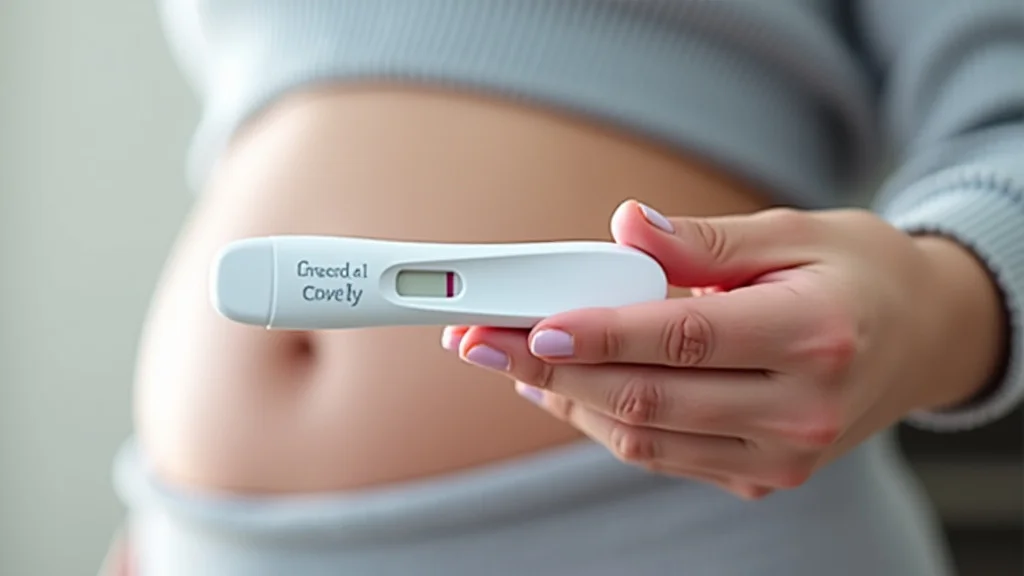
Have you just taken a pregnancy test and seen those letters C and T? You’re not alone! Many people wonder about the pregnancy test c t meaning.
It can seem a little confusing at first, but it’s actually quite simple once you know what to look for. This post will break it all down for you easily, step by step, so you can feel confident about what your test result means. We’ll go over everything you need to know without any complicated jargon.
Key Takeaways
- You will learn what the C and T stand for on a pregnancy test.
- You will understand how to read different types of pregnancy test results.
- You will discover why some tests have a line in the C area and others in the T area.
- You will find out what a positive, negative, and invalid pregnancy test result looks like.
- You will gain confidence in interpreting your home pregnancy test results correctly.
Understanding Pregnancy Test C T Meaning
Pregnancy tests look for a hormone called human chorionic gonadotropin (hCG) in your urine. This hormone is only produced when a woman is pregnant. Home pregnancy tests are designed to detect this hormone.
They use a special strip that changes color when hCG is present. The letters ‘C’ and ‘T’ are simply labels on the test strip that help you understand the results. Knowing the pregnancy test c t meaning is the first step to getting an accurate answer.
What Do C and T Stand For
The ‘C’ on a pregnancy test strip stands for Control. The ‘T’ stands for Test. Think of the ‘C’ line as a confirmation that the test is working correctly.
It’s like the test is saying, “I am working!” The ‘T’ line is where the result of the test is shown. This line appears if the pregnancy hormone, hCG, is detected in your urine. It’s important to remember that both lines have different jobs, but seeing them helps you know if you are pregnant.
- The Control Line (C): This line should always appear if the test is working properly. It ensures that the test has absorbed enough urine and that the chemicals on the strip are functioning. If the control line does not show up, the test is invalid and you will need to take another one. It is a built-in quality check for the test itself.
- The Test Line (T): This line appears only if hCG is detected in your urine. The presence of hCG indicates that you are likely pregnant. The intensity of the test line can sometimes vary, especially in the early stages of pregnancy. A faint line often means pregnancy, but it’s still a positive result.
How to Read Pregnancy Test Results
Reading your pregnancy test result is straightforward once you know what to look for. You will usually see one or two lines. The position and presence of these lines tell you everything you need to know.
It’s important to follow the instructions that come with your specific test, as some digital tests might show words like “Pregnant” or “Not Pregnant” instead of lines. But for most standard tests, the C and T lines are your guide.
When you look at the test strip, you’ll find a designated area for the control line and another for the test line. After you have collected your urine sample and applied it to the test as directed, you wait for a few minutes. The instructions will tell you how long to wait.
During this waiting time, the chemicals on the strip react. This reaction causes lines to appear.
The key is to compare what you see in the ‘C’ and ‘T’ areas. The control line should always show up for a valid test. The test line’s appearance tells you about pregnancy.
Understanding this simple comparison is the core of interpreting your home pregnancy test results accurately. We will go into more detail about different result combinations next.
Interpreting Different Test Results
The way the lines appear in the ‘C’ and ‘T’ sections creates the actual result of your pregnancy test. There are a few common outcomes you might see. Each combination means something specific.
Knowing these different outcomes will help you feel more certain about what your test is telling you. It’s all about looking closely at where the lines show up.
Positive Pregnancy Test
A positive pregnancy test result is usually indicated by the appearance of two lines. This means both the control line (C) and the test line (T) are visible. The test line (T) might be faint or dark, but as long as it is there, it means hCG has been detected in your urine.
This is a strong indicator that you are pregnant. Even a very faint line in the T section is considered positive.
- Two Lines Appear (C and T): This is the most common way to see a positive result. The control line (C) will be clear, and the test line (T) will also be visible, although it might be fainter. This indicates that your body is producing hCG, which happens during pregnancy.
- Faint Test Line: Sometimes, the test line (T) can be very faint, especially if you are in the very early stages of pregnancy. This is still a positive result. The hCG levels might be low at this point, but they are present. It is a good idea to retest in a few days to see if the line gets darker.
- Dark Test Line: A strong, dark test line (T) alongside the control line (C) means you are likely pregnant and have a good amount of hCG in your system. This is a clear positive result. You can schedule an appointment with your doctor to confirm the pregnancy.
Negative Pregnancy Test
A negative pregnancy test result means that no hCG was detected in your urine. This is typically shown by only one line appearing on the test strip. This single line will always be in the control (C) section.
The test line (T) section will be blank, meaning no pregnancy hormone was found. This suggests you are not pregnant.
- One Line Appears (C only): This is the standard result for a negative test. You will see a clear line in the ‘C’ (Control) window. The ‘T’ (Test) window will remain empty. This indicates that the test is working correctly and has not detected hCG in your urine.
- No Lines Appear: If no lines appear at all, the test is invalid. This could be due to various reasons, such as not using enough urine, the test being expired, or a manufacturing defect. In this case, you should perform another test using a new pregnancy test kit.
- Test Line Appears Without Control Line: This is a rare but possible invalid result. If the ‘T’ line appears but the ‘C’ line does not, the test is not reliable. It means the test might not be working correctly, even though it seems to have detected something. You will need to repeat the test.
Invalid Pregnancy Test
An invalid pregnancy test means the test did not work correctly, and you cannot rely on the result. This can happen for a few reasons. The most common is that the control line (C) does not appear.
Without the control line, you don’t know if the test was functioning properly. In such cases, you must take another test. It’s always best to retest if you are unsure.
- No Control Line (C): If you look at the test strip and the ‘C’ window is blank, the test is invalid. This means the test didn’t run properly. It could be that not enough urine was used, or the test kit itself might have a problem. Always ensure the control line is visible for a valid result.
- Both Lines Missing: If neither the ‘C’ nor the ‘T’ line appears, the test is invalid. This is another sign that the test did not function as intended. It is important to get a new test kit and follow the instructions carefully when you try again.
- T Line Present but C Line Missing: Even if you see a line in the ‘T’ section, but the ‘C’ section is blank, the result is invalid. The control line confirms the test’s ability to work. If it’s missing, the ‘T’ line’s presence is not trustworthy.
When to Take a Pregnancy Test
Timing is crucial for getting accurate results from a pregnancy test. Taking a test too early can lead to a false negative result, meaning the test says you’re not pregnant when you actually are. This is because hCG levels need time to build up in your body.
Understanding the best time to test can help you avoid confusion and get a reliable answer.
After Missing Your Period
The most common and reliable time to take a pregnancy test is after you have missed your period. Most home pregnancy tests are highly accurate when used on the first day of your missed period. By this time, hCG levels are usually high enough for the test to detect.
If your cycle is irregular, waiting about three weeks after unprotected sex is a good general guideline.
- First Day Of Missed Period: This is the ideal time for testing. Your hCG levels should be significant enough for most tests to detect accurately. Testing on this day provides the highest chance of a correct positive or negative result.
- Irregular Cycles: If your periods are not regular, it can be harder to pinpoint the exact day to test. A good rule of thumb is to wait at least 21 days after you had unprotected sex. This gives your body enough time to produce detectable levels of hCG.
- Testing Too Early: Taking a test too soon, even before you miss your period, can result in a false negative. Your hCG levels might not be high enough yet. This can cause unnecessary worry or lead to a delayed realization of pregnancy.
Early Pregnancy Symptoms
Sometimes, you might experience early signs of pregnancy even before you miss your period. These symptoms can include nausea, breast tenderness, fatigue, and frequent urination. While these symptoms can be indicators, they are not definitive proof of pregnancy.
They can also be caused by other factors. Therefore, it is still best to confirm with a pregnancy test.
- Nausea or Morning Sickness: Feeling sick to your stomach, especially in the morning, is a common early pregnancy symptom. This is caused by hormonal changes in your body. It can occur as early as a few weeks after conception.
- Breast Changes: Your breasts may become sore, swollen, or tender. They might also feel heavier. The area around your nipples, called the areola, may darken. These changes are your body preparing for breastfeeding.
- Fatigue: Feeling unusually tired is another frequent early sign. This is often due to increased levels of the hormone progesterone. Even if you are getting enough sleep, you might feel drained.
Accuracy of Home Pregnancy Tests
Home pregnancy tests are remarkably accurate when used correctly and at the right time. They can detect pregnancy with a high degree of certainty. However, a few factors can influence their accuracy, leading to either a false positive or a false negative result.
It is important to understand these factors to ensure you get the most reliable outcome from your test.
Factors Affecting Accuracy
Several things can make a pregnancy test less accurate. Using the test at the wrong time, not following the instructions precisely, or even certain medications can affect the results. Understanding these potential issues will help you interpret your test results more confidently and reduce the chances of needing to retest due to an inaccurate reading.
- Testing Too Early: As mentioned, testing before your hCG levels are high enough is a primary reason for false negatives. Your body needs time to produce enough of the hormone for detection. Patience is key for accurate results.
- Expired Tests: Pregnancy tests have an expiration date. Using an expired test can lead to inaccurate results, either positive or negative. Always check the expiration date on the packaging before you use the test.
- Diluted Urine: Drinking a lot of fluids before taking the test can dilute your urine. This can lower your hCG levels, potentially leading to a false negative. It is often recommended to use your first-morning urine for the most concentrated sample.
- Certain Medications: Fertility treatments that contain hCG can cause a false positive result. Other medications rarely affect test results. If you are taking any medications, it is wise to discuss them with your doctor.
False Positives and False Negatives
False positives, where the test says you are pregnant but you are not, are rare. They can happen due to very specific medical conditions or the use of hCG injections. False negatives, where the test says you are not pregnant but you are, are more common.
They are usually due to testing too early or not following instructions. Knowing the difference helps in understanding your results.
A false positive is when the test shows a positive result, but you are not pregnant. This is uncommon. It can sometimes occur if you have certain medical conditions, like a type of ovarian cyst, or if you are using fertility treatments that involve hCG injections.
In very rare cases, it could be due to a chemical pregnancy, where fertilization occurred but the pregnancy did not continue. Always confirm with a doctor.
A false negative is when the test shows a negative result, but you are actually pregnant. This is much more common than a false positive. The main reasons include testing too early before hCG levels are high enough, using diluted urine, or not following the test instructions correctly.
If you suspect you might be pregnant despite a negative result, retesting in a few days or seeing a doctor is a good idea.
Common Myths Debunked
Myth 1: A faint line means you aren’t pregnant
This is a common misconception. A faint line in the ‘T’ section, even if it’s not as dark as the ‘C’ line, usually indicates a positive result. It means your body is producing hCG.
The darkness of the line can depend on how early you are in your pregnancy and how concentrated your urine is. It is always best to consider a faint line as a potential pregnancy and retest later or consult a doctor.
Myth 2: You can only get accurate results in the morning
While testing with your first-morning urine is generally recommended for maximum accuracy because it’s more concentrated, it’s not the only time you can get a reliable result. Most modern pregnancy tests are sensitive enough to detect hCG throughout the day, especially once you are a week or more past your missed period. However, if you test early, morning urine is your best bet.
Myth 3: All pregnancy tests work exactly the same
While the basic principle of detecting hCG is the same for all home pregnancy tests, there can be differences in sensitivity and how they display results. Some tests are more sensitive than others and can detect lower levels of hCG, meaning they can potentially give a positive result a day or two earlier. Digital tests offer a clear “Pregnant” or “Not Pregnant” readout, which can be easier to interpret than lines for some people.
Frequently Asked Questions
Question: What does ‘C’ mean on a pregnancy test
Answer: The ‘C’ on a pregnancy test stands for Control. It is a line that should appear if the test is working correctly.
Question: What does ‘T’ mean on a pregnancy test
Answer: The ‘T’ on a pregnancy test stands for Test. This line will appear if the pregnancy hormone hCG is detected in your urine.
Question: What if only the ‘C’ line shows up
Answer: If only the ‘C’ line shows up and the ‘T’ line does not, it means the test is negative, and you are likely not pregnant.
Question: What if both ‘C’ and ‘T’ lines show up
Answer: If both the ‘C’ and ‘T’ lines show up, it means the test is positive, and you are likely pregnant.
Question: When should I take a pregnancy test for the best results
Answer: For the most accurate results, it is best to take a pregnancy test after you have missed your period, ideally using your first-morning urine.
Wrap Up
Understanding the pregnancy test c t meaning is straightforward. The C is for control, ensuring the test works. The T is for test, showing if pregnancy hormone hCG is present.
Two lines mean pregnant, one line means not pregnant. Always check the control line for a valid result. If you are unsure, retest or see your doctor.
Leave a Reply