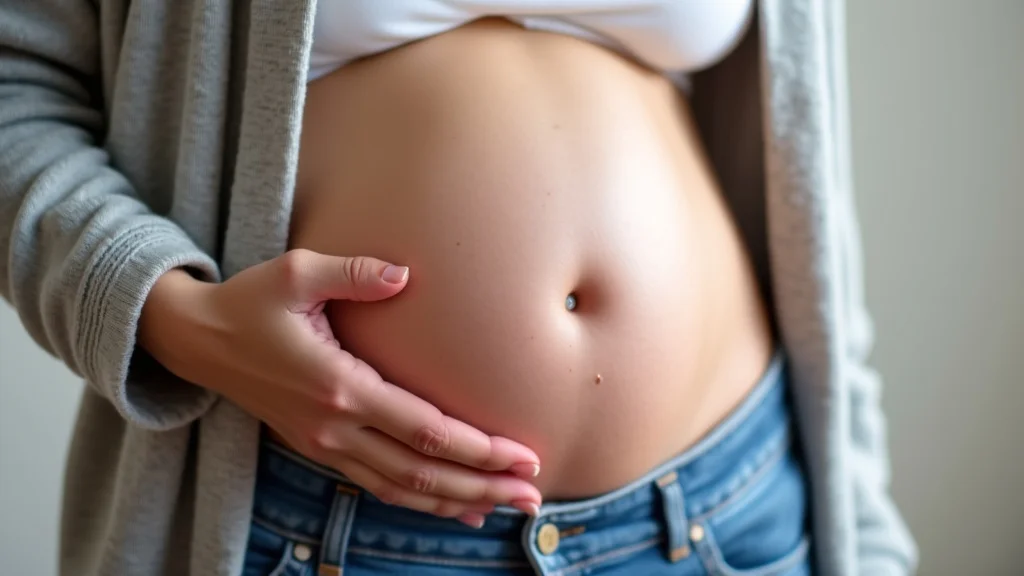
It can be tricky to figure out if you’re pregnant really early on. Many early signs are like normal period symptoms, which can be confusing. You might wonder if those little changes are a sign of something new.
This post will help you understand the early feelings so you know what to look for. We’ll go over the common two week pregnancy symptoms in an easy way. Get ready for clear answers and a simple guide to follow.
Key Takeaways
- Early pregnancy signs often overlap with premenstrual symptoms.
- Spotting and mild cramping can be early indicators of pregnancy.
- Breast changes like tenderness and swelling are common early signs.
- Fatigue and increased urination can also signal early pregnancy.
- Pay attention to your body’s unique signals for clues.
Understanding Two Week Pregnancy Symptoms
When you might be pregnant very early on, it’s common to feel a mix of things. Many of these feelings are so similar to what you might feel right before your period. This makes it hard to tell if it’s a sign of a baby or just your monthly cycle.
For example, feeling a bit tired or having sore breasts can happen either way. This early stage is a time of big changes in your body. Your hormones start shifting to support a possible pregnancy.
This is why you might notice subtle shifts in how you feel.
The time around two weeks after your last period is also when ovulation typically happens. This is the window when conception can occur. So, some of the symptoms you might notice around this time are related to ovulation itself, and some could be very early signs of implantation.
Implantation is when a fertilized egg attaches to the wall of your uterus. This usually happens about 6 to 12 days after fertilization. It’s a critical step that kicks off the actual pregnancy.
Recognizing these early signs is important if you’re trying to conceive. It helps you know when to take a pregnancy test. It also helps you take good care of yourself.
We will break down these signs one by one. We will explain what they are and why they happen. This way, you can feel more confident about what your body is telling you.
Spotting and Light Bleeding
One of the first things some people notice is slight bleeding or spotting. This is often called implantation bleeding. It happens when the fertilized egg burrows into the lining of your uterus.
This process can cause a few tiny blood vessels to break. The bleeding is usually much lighter than a normal period. It might be pinkish or brownish.
It can also last for a day or two. Sometimes it’s just a few spots, and other times it’s a bit more. This sign is often mistaken for the start of a period.
However, implantation bleeding usually happens earlier than your expected period. It’s also typically much lighter and shorter in duration. Not everyone experiences implantation bleeding, so its absence doesn’t mean you aren’t pregnant.
If you see any bleeding, especially if it’s unusually light or different from your usual period, it could be an early sign. It’s worth paying attention to. It happens around the time a fertilized egg might implant.
It’s important to distinguish implantation bleeding from other causes of vaginal bleeding. If you experience heavy bleeding, severe cramps, or bleeding that doesn’t stop, you should contact your doctor. They can help determine the cause.
For many, however, light spotting is a subtle signal from their body. It’s a sign that something significant might be happening internally.
Cramping
Similar to spotting, some people experience mild cramping around the time of implantation. These cramps might feel like menstrual cramps. They can be in your lower abdomen or lower back.
They are often a sign that your uterus is preparing for pregnancy. When the fertilized egg implants, it can cause some muscular contractions or tugging sensations. These feelings can feel like mild aches or discomfort.
These cramps are usually not as severe as period cramps. They might also come and go. They can last for a few hours or a couple of days.
The key is to notice the timing and intensity. If the cramping is mild and occurs around the time you expect your period, but perhaps a bit earlier, it could be related to implantation. It’s another sign that your body is going through changes.
It’s natural to worry about cramping during pregnancy. However, mild implantation cramping is generally considered normal. If the cramps are severe, sudden, or accompanied by heavy bleeding, it’s important to seek medical advice.
But for many, these gentle signals are part of the early pregnancy process. They are a quiet announcement of new life starting.
Breast Changes
Your breasts can also be one of the first places you notice changes. Hormonal shifts, particularly an increase in progesterone and estrogen, can cause your breasts to become more sensitive. They might feel tender to the touch, sore, or even slightly swollen.
This is similar to how breasts can feel before a period, but for some, the sensation is more pronounced or starts earlier.
You might also notice that the veins on your breasts become more visible. The area around your nipples, called the areola, may also darken and become larger. The small bumps on your areola, called Montgomery’s tubercles, might become more noticeable.
These changes are your body preparing your breasts for potential breastfeeding later on. It’s an instinctive process that begins very early.
These breast symptoms can continue throughout early pregnancy. They are a strong indicator that your body is undergoing significant hormonal adjustments. If your breasts feel unusually tender, swollen, or heavy, especially when combined with other early signs, it’s a good clue.
It suggests that pregnancy might be a possibility.
Fatigue
Feeling unusually tired is a very common early pregnancy symptom. This fatigue can start as early as the first week after conception. It’s often linked to the rapid rise in progesterone levels.
Progesterone is a hormone that helps maintain the uterine lining and supports the pregnancy. High levels of progesterone can make you feel sleepy and drained, even if you’ve had enough rest.
This feeling of exhaustion can be quite intense. It’s not just a mild tiredness. You might find yourself needing more naps or going to bed much earlier than usual.
It can affect your energy levels throughout the day. This fatigue is your body’s way of telling you to slow down and conserve energy. It’s crucial for supporting the growing life inside you.
It’s easy to dismiss extreme tiredness as simply being busy or not sleeping well. However, if you notice a sudden and persistent drop in your energy levels, it could be an early sign. This is especially true if it’s accompanied by other potential pregnancy symptoms.
Your body is working hard, and it needs rest.
Increased Urination
Another common sign is needing to urinate more frequently. This can start around the sixth week of pregnancy, but some people notice it earlier. The increased urge to pee is due to several factors.
Your body produces more blood during pregnancy. This means your kidneys are processing more fluid. This extra fluid goes to your uterus.
It also leads to more waste products that need to be filtered out.
Additionally, as your uterus grows, it puts pressure on your bladder. This can make you feel like you need to go to the bathroom more often. Even in the early stages, when the uterus is still small, hormonal changes can increase bladder sensitivity.
This can make you feel the need to urinate more urgently and frequently.
This symptom can be inconvenient, but it’s a normal part of early pregnancy. It’s a sign that your body is adapting to support a growing baby. If you find yourself making more trips to the restroom than usual, it’s another piece of the puzzle.
It might be pointing towards pregnancy.
Nausea and Morning Sickness
While often called “morning sickness,” nausea can strike at any time of the day or night. This is one of the most well-known pregnancy symptoms. It usually begins around the sixth week of pregnancy, but for some, it can start as early as two weeks after conception.
The exact cause isn’t fully understood, but it’s thought to be related to the surge in pregnancy hormones, particularly hCG (human chorionic gonadotropin).
Nausea can range from a mild queasiness to severe vomiting. Some people experience it only occasionally, while others feel sick most of the time. It can be triggered by certain smells, foods, or even an empty stomach.
The good news is that for most people, nausea lessens as pregnancy progresses, usually by the second trimester.
If you’re experiencing nausea that seems unusual or is accompanied by other symptoms, it could be a sign of pregnancy. Even if you don’t vomit, the feeling of being sick to your stomach is significant. It’s your body’s way of signaling that something new is happening.
Other Subtle Signs
Beyond the more commonly discussed symptoms, there are other subtle changes that might occur. Some people report an increased sense of smell. Certain odors that never bothered you before might suddenly become unpleasant or even nauseating.
This heightened sensitivity is likely due to hormonal changes.
Changes in appetite are also common. You might find yourself craving certain foods or suddenly disliking foods you used to enjoy. This is often referred to as “food aversions.” Conversely, some individuals experience an increased appetite.
Their bodies are preparing to nourish a growing baby, and this can manifest as hunger.
Mood swings are another possibility. The rapid hormonal fluctuations in early pregnancy can affect your emotions. You might feel more sensitive, irritable, or experience sudden shifts in your mood.
This is similar to how some people feel before their period, but it can be more pronounced.
How Early Can You Detect Pregnancy Symptoms
The timing of early pregnancy symptoms can vary greatly from person to person. Some individuals might start noticing very subtle changes as early as one week after conception. These are often linked to ovulation and implantation.
For instance, mild cramping or slight spotting from implantation can occur about 6 to 12 days after fertilization. This is often before a missed period.
More recognizable symptoms like breast tenderness, fatigue, and increased urination tend to appear a bit later. These often become noticeable around the time of your missed period, which is typically about two weeks after conception (or four weeks from your last menstrual period). Nausea and vomiting are generally the latest to show up, often starting around the sixth week of pregnancy.
It’s important to remember that not everyone experiences all of these symptoms. Some people have very few or mild symptoms in early pregnancy. Others might have more pronounced ones.
The absence of one or more symptoms does not mean you are not pregnant. Similarly, experiencing symptoms doesn’t automatically confirm pregnancy. This is why paying attention to a combination of signs and taking a pregnancy test is key.
Implantation vs. Period Symptoms
One of the biggest challenges in identifying early pregnancy is the overlap between implantation symptoms and premenstrual symptoms (PMS). Both can involve breast tenderness, mood changes, fatigue, and mild cramping. This similarity is due to the hormonal shifts that occur in both scenarios.
However, there are key differences to consider. Implantation bleeding, if it occurs, is typically lighter and shorter than a normal period. It’s usually pink or brownish, rather than bright red.
Implantation cramping may also feel different; it can be a light pulling or tugging sensation rather than the sharp or dull ache of menstrual cramps. These implantation signs usually happen a few days earlier than your expected period.
PMS symptoms typically appear in the week leading up to your period and resolve once menstruation begins. Early pregnancy symptoms, on the other hand, tend to persist or even intensify after your period is due. If you notice symptoms that seem a bit ‘off’ for your usual PMS, or if they occur slightly earlier than expected, they could be pregnancy-related.
When to Take a Pregnancy Test
The best time to take a pregnancy test is after you’ve missed your period. Most home pregnancy tests are designed to detect the hormone hCG (human chorionic gonadotropin) in your urine. This hormone is produced by the placenta shortly after implantation.
Levels of hCG rise rapidly in early pregnancy.
Testing too early can lead to a false negative result. This means the test might say you’re not pregnant, even if you are. This happens because hCG levels might not be high enough yet for the test to detect.
For the most accurate results, wait until the first day of your missed period. Some highly sensitive tests can detect pregnancy a few days before a missed period, but waiting longer generally increases accuracy.
If you get a negative result but still suspect you might be pregnant, wait a few days and test again. If you continue to get negative results and your period still hasn’t arrived, consult your doctor. They can perform a blood test, which is even more sensitive to hCG levels and can detect pregnancy earlier than urine tests.
Interpreting Your Body’s Signals
Listening to your body is crucial when you suspect you might be pregnant. While many symptoms can be attributed to other causes, a combination of them, especially if they are unusual for you, can be telling. Think about what feels different compared to your normal pre-period experience.
Is the fatigue more profound? Are the breast changes more intense? Is there spotting when you don’t usually have it?
It’s also important to be patient. Pregnancy symptoms develop over time. What you feel today might be different from what you feel next week.
Keep a log of your symptoms if you are actively trying to conceive. Note down when they start, how they feel, and how long they last. This can help you identify patterns and make it easier to discuss with a healthcare provider.
Remember that not every pregnancy is the same. What one person experiences might be very different from another. Trust your instincts, but also rely on accurate testing and medical advice.
By understanding the common two week pregnancy symptoms, you are better equipped to interpret what your body is trying to tell you.
Common Myths Debunked
Myth 1 You will have all the classic pregnancy symptoms immediately.
Reality: Not everyone experiences every single symptom, and symptoms can vary greatly from person to person and even from one pregnancy to the next. Some people have very few noticeable symptoms in early pregnancy, while others have many. The “classic” symptoms like morning sickness might not appear until later in the first trimester.
Myth 2 You can feel pregnant as soon as you conceive.
Reality: Conception happens at ovulation, but pregnancy is truly established after implantation. Implantation occurs several days after conception. Symptoms are usually a result of hormonal changes that happen after implantation.
Therefore, you typically won’t feel pregnancy symptoms immediately after intercourse.
Myth 3 Any spotting or cramping means you are definitely pregnant.
Reality: While spotting and cramping can be signs of implantation, they can also be caused by other things, such as premenstrual syndrome (PMS), ovulation pain, or even an infection. It is important to consider the timing, duration, and intensity of these symptoms, as well as any other accompanying signs, before assuming it is pregnancy-related.
Myth 4 You can rely solely on symptoms to confirm pregnancy.
Reality: Symptoms can be misleading and often mimic other bodily changes or conditions. The only reliable way to confirm pregnancy is by taking a pregnancy test that detects hCG hormone levels. This should ideally be done after a missed period for the most accurate results.
Frequently Asked Questions
Question: Can I have two week pregnancy symptoms without a missed period?
Answer: Yes, some early pregnancy symptoms like implantation spotting or mild cramping can occur around two weeks after conception, which is often before your period is due. However, more pronounced symptoms like fatigue or nausea usually appear closer to or after a missed period.
Question: Are sore breasts a sure sign of pregnancy at two weeks?
Answer: Sore breasts are a common early pregnancy symptom due to hormonal changes. However, they can also be a sign of PMS or other factors. While it can be an indicator, it is not a definitive sign on its own.
Question: How soon after conception can I expect symptoms?
Answer: You might start noticing very subtle signs like implantation spotting or mild cramping as early as 6 to 12 days after conception. More noticeable symptoms like fatigue or increased urination typically appear around the time of your missed period, about two weeks after conception.
Question: What if my pregnancy symptoms are very mild?
Answer: Mild symptoms are perfectly normal. Not everyone experiences strong pregnancy symptoms. If you have a missed period and a positive pregnancy test, mild symptoms do not indicate a problem.
Focus on taking a pregnancy test for confirmation.
Question: Can I have two week pregnancy symptoms if I am not pregnant?
Answer: Yes, many early pregnancy symptoms, such as breast tenderness, fatigue, and cramping, can also be caused by premenstrual syndrome (PMS) or other factors. It’s important not to rely solely on symptoms and to take a pregnancy test for accurate confirmation.
Summary
Understanding two week pregnancy symptoms involves recognizing subtle bodily cues. Spotting, cramping, breast changes, fatigue, and frequent urination are common early signs. These often overlap with period symptoms, making confirmation important.
Pay close attention to your body and take a pregnancy test after a missed period for clarity. Knowing these signs empowers you to understand your health.
Leave a Reply