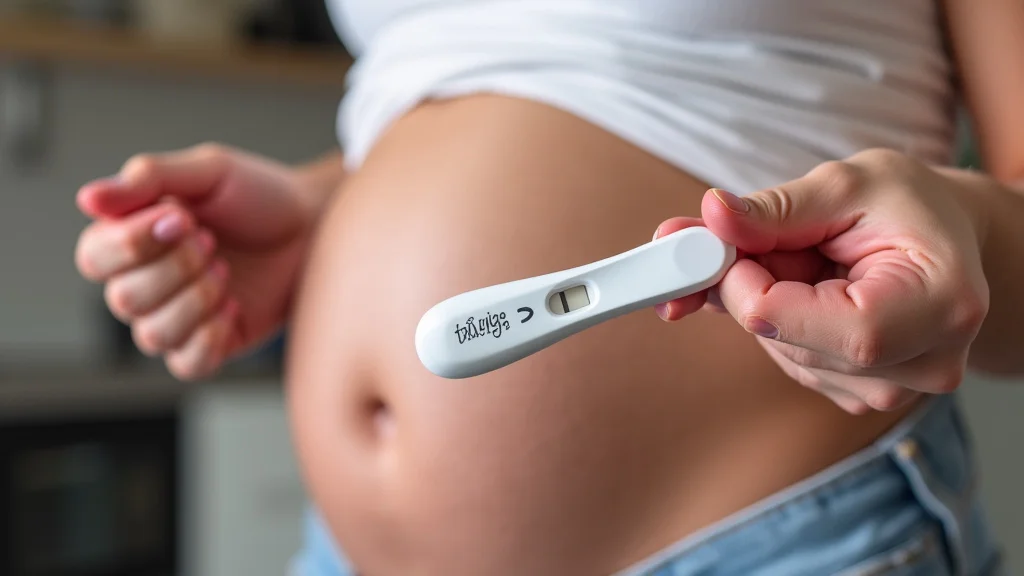
Figuring out when to take a pregnancy test after having sex can be tricky. Many people wonder if taking a pregnancy test 2 weeks after sex is the right time. It’s easy to feel confused about the waiting period and what it means for accurate results.
Don’t worry, this guide will make it simple. We’ll walk you through everything you need to know step by step so you can get clear answers.
Key Takeaways
- Understanding when pregnancy begins is key to timing a test.
- Home pregnancy tests detect a hormone called hCG.
- The best time for a pregnancy test 2 weeks after sex depends on ovulation.
- Early pregnancy symptoms can be subtle and mimic other conditions.
- Accurate test results require following instructions carefully.
- When in doubt, a doctor can provide definitive answers.
Understanding Conception and Testing Timing
When you have unprotected sex, conception can happen if sperm meets an egg. This process involves ovulation, where an egg is released from the ovary. If fertilization occurs, the fertilized egg travels to the uterus and implants.
Pregnancy is officially considered to have begun at implantation.
This is why timing is so important for taking a pregnancy test. Home pregnancy tests work by detecting a hormone called human chorionic gonadotropin (hCG). This hormone is produced by the placenta shortly after implantation.
The amount of hCG in your body increases rapidly in the early days of pregnancy. Therefore, taking a test too soon means there might not be enough hCG for the test to detect.
When Ovulation Happens
Ovulation typically occurs around the middle of a menstrual cycle. For a woman with a regular 28-day cycle, ovulation might happen around day 14. However, cycles can vary greatly from person to person.
Factors like stress, illness, or changes in routine can affect ovulation timing.
If intercourse happens around the time of ovulation, fertilization is possible. Sperm can live inside the body for up to five days, so pregnancy can occur even if intercourse was a few days before ovulation.
This variability in ovulation is a major reason why a simple count of days after sex might not be enough. Understanding your own cycle can help you estimate when ovulation might have occurred, which in turn helps determine the best time to test.
The Role of Implantation
After fertilization, the fertilized egg, now called a blastocyst, starts to travel down the fallopian tube to the uterus. This journey takes about 5 to 7 days. Once it reaches the uterus, it needs to attach itself to the uterine lining.
This process is called implantation.
Implantation usually happens about 6 to 12 days after ovulation. It’s after implantation that the placenta starts to develop and produce hCG.
This means that for a pregnancy test 2 weeks after sex to be accurate, conception must have occurred around the time of ovulation, followed by implantation. If implantation happened closer to the later end of that 6-12 day window, a test taken exactly two weeks after sex might still be too early.
Hormone Levels and Test Sensitivity
The accuracy of a pregnancy test depends on the concentration of hCG in your urine. Most home pregnancy tests are designed to detect hCG levels around 25 mIU/mL (milli-international units per milliliter).
After implantation, hCG levels can double every 24 to 48 hours. This rapid rise is what makes testing effective as pregnancy progresses.
So, while two weeks after sex might seem like a good marker, it’s more about how many days have passed since ovulation and implantation. If you’re unsure about your ovulation date, waiting until you miss your period is often recommended for the most reliable results.
How Pregnancy Tests Work
Home pregnancy tests are a marvel of modern convenience, allowing people to check for pregnancy in the privacy of their own homes. They are designed to be user-friendly and provide quick results, typically within minutes.
At their core, these tests rely on a chemical reaction to detect the presence of a specific hormone.
This hormone is the key indicator that pregnancy has occurred.
Detecting Human Chorionic Gonadotropin (hCG)
The magic behind pregnancy tests lies in their ability to detect hCG. This hormone is only produced by the cells that will eventually form the placenta. It starts being produced shortly after a fertilized egg implants in the uterine wall.
For about the first 8 to 10 weeks of pregnancy, hCG levels rise dramatically. This makes it an excellent marker for early pregnancy detection.
The test strips inside a pregnancy test kit contain antibodies that bind to hCG if it’s present in the urine. When these antibodies bind to hCG, they trigger a color change or a digital display, indicating a positive result.
Sensitivity Levels
Pregnancy tests come with varying levels of sensitivity. This is measured in mIU/mL, which represents the minimum amount of hCG the test can detect. Lower numbers mean a more sensitive test.
Highly sensitive tests, often labeled as “early detection” or “weeks early,” can detect hCG levels as low as 10 mIU/mL or even less. These tests might be able to detect pregnancy a few days before a missed period.
However, less sensitive tests, which might require higher hCG levels (e.g., 25 mIU/mL or higher), are best used on or after the day of your missed period. Using a less sensitive test too early can lead to a false negative result.
It’s important to choose a test based on your situation and when you think conception might have occurred. If you’re aiming for a pregnancy test 2 weeks after sex, opting for a more sensitive test might give you an earlier indication, but waiting until you miss your period is generally more reliable.
Using Pregnancy Tests Correctly
The accuracy of any pregnancy test, no matter how sensitive, depends heavily on using it correctly. This involves several steps:
- Read the instructions carefully: Different brands have slightly different instructions. Pay attention to how long to hold the stick in the urine stream and how long to wait for the result.
- Use first-morning urine: Your first urine of the day is usually the most concentrated, meaning it will have the highest level of hCG. This can increase the chances of detecting the hormone early on.
- Avoid excess fluid intake: Drinking too much liquid before taking the test can dilute your urine, making hCG harder to detect.
- Check the expiration date: Expired tests can give inaccurate results.
Following these guidelines will significantly improve the reliability of your pregnancy test results.
The Two-Week Wait and Testing
The “two-week wait” is a common term used in fertility and pregnancy discussions. It often refers to the time between ovulation (or potential conception) and when a pregnancy test can reliably detect pregnancy, usually around the time a period is expected.
For many, the question “Can I take a pregnancy test 2 weeks after sex?” is a central concern during this waiting period.
Understanding what happens during this time is crucial for managing expectations and getting accurate results.
What Happens During the Two-Week Wait
If fertilization occurred after intercourse, the fertilized egg begins its journey to the uterus. This takes about 5-7 days. Once it reaches the uterus, it needs to implant in the uterine lining.
This implantation process typically happens between 6 and 12 days after ovulation.
During this time, the body is undergoing subtle changes. However, these changes are often not noticeable enough to confirm pregnancy without a test.
The production of hCG begins shortly after implantation. For a pregnancy test to show a positive result, hCG levels need to reach a detectable threshold.
When Is a Pregnancy Test Accurate After Sex?
A pregnancy test 2 weeks after sex can be accurate, but it’s not always the earliest possible time for detection. Here’s why:
- Ovulation Timing: If you ovulated later than expected in your cycle, or if conception happened closer to the end of your fertile window, two weeks from the act of sex might not be two weeks from implantation.
- Implantation Window: If implantation occurred late (e.g., 10-12 days after ovulation), a test taken exactly 14 days after sex might still be detecting very low hCG levels.
- Test Sensitivity: As mentioned, the sensitivity of your test plays a big role. A highly sensitive test taken 12-14 days after intercourse might pick up hCG.
Most experts recommend waiting until you miss your period for the most reliable results. This is typically around 14-16 days after ovulation.
Factors Affecting Test Results
Several factors can influence the accuracy of a pregnancy test taken around the two-week mark after sex:
- Irregular Cycles: If your menstrual cycles are not regular, it’s harder to pinpoint ovulation and, therefore, the best time to test.
- Miscalculating Ovulation: Even with regular cycles, ovulation can be influenced by various factors, leading to an inaccurate test timing.
- Diet and Hydration: As noted before, drinking a lot of fluids can dilute urine and lower hCG concentration.
- Medications: Some fertility treatments involve hCG injections, which can cause a false positive result if taken too close to the testing date.
For a pregnancy test 2 weeks after sex, it’s best to use it first thing in the morning and follow the instructions precisely. If the result is negative but you suspect you might be pregnant, retesting in a few days or a week after missing your period is a good idea.
Early Signs Of Pregnancy
While a pregnancy test is the most reliable way to confirm pregnancy, many people experience early signs and symptoms. These can appear even before a missed period, though they can also be mistaken for premenstrual symptoms.
Spotting these subtle changes can be an indicator, but it’s important not to rely solely on them.
A pregnancy test remains the definitive confirmation.
Common Early Symptoms
Here are some common early signs of pregnancy that some individuals experience:
- Missed Period: This is often the most obvious and earliest sign of pregnancy. However, other factors can also cause a missed period.
- Nausea and Vomiting (“Morning Sickness”): This can occur at any time of day, not just in the morning. It typically begins around 4 to 6 weeks after the last menstrual period.
- Breast Changes: Breasts may become tender, swollen, or achy. They might also feel fuller or heavier. The area around the nipples (areolas) may darken.
- Fatigue: Feeling unusually tired is very common in early pregnancy. This is often attributed to increased progesterone levels.
- Frequent Urination: You might find yourself needing to urinate more often than usual. This is due to increased blood flow to the pelvic area and hormonal changes.
- Food Cravings or Aversions: Certain foods or smells might suddenly become appealing or unappealing.
- Light Spotting or Cramping: This is known as implantation bleeding and can occur when the fertilized egg attaches to the uterine wall. It’s usually lighter and shorter than a regular period.
It’s important to remember that not everyone experiences all these symptoms, and their intensity can vary greatly.
Distinguishing from PMS
One of the biggest challenges with early pregnancy symptoms is that they can closely mimic the symptoms of premenstrual syndrome (PMS). Both can cause breast tenderness, bloating, mood swings, fatigue, and cramping.
However, there are some subtle differences:
- Timing: PMS symptoms usually appear in the week or two before your period. Pregnancy symptoms can start around the time of implantation, which might be earlier or overlap with PMS timing.
- Nausea: While some experience nausea with PMS, it’s a hallmark symptom of early pregnancy for many and can be more pronounced.
- Breast Tenderness: Pregnancy-related breast tenderness can be more severe and persistent than typical PMS breast soreness.
- Cramping: Implantation cramping is usually milder and shorter than menstrual cramps.
If you are experiencing these symptoms and have had unprotected sex, a pregnancy test is the best way to get clarity. A pregnancy test 2 weeks after sex can provide an answer, especially if taken on the day your period is due or later.
When to See a Doctor
If you get a positive result on a home pregnancy test, it’s important to schedule an appointment with your doctor. They can confirm the pregnancy, discuss your health history, and begin prenatal care.
Even if your home test is negative, but your period is significantly delayed or you continue to experience strong pregnancy symptoms, it’s a good idea to consult your doctor. They can perform a blood test, which is more sensitive than urine tests, or investigate other potential causes for your symptoms.
Common Myths Debunked
Myth 1: You Can Take A Pregnancy Test Immediately After Sex
This is not true. Pregnancy does not occur the moment sperm meets egg. It takes time for fertilization to happen, and then for the fertilized egg to travel to the uterus and implant.
Only after implantation does the body start producing hCG, the hormone detected by pregnancy tests. Testing too soon will likely result in a false negative.
Myth 2: A Negative Pregnancy Test Always Means You Are Not Pregnant
While a negative test is usually accurate, it can be false if taken too early. If you test before there is enough hCG in your system, or if the test is faulty, you might get a negative result even if you are pregnant. Retesting a few days later, especially after a missed period, is recommended if you suspect pregnancy.
Myth 3: All Pregnancy Tests Are Equally Sensitive
This is false. Pregnancy tests vary in their sensitivity, measured by the lowest level of hCG they can detect. “Early detection” tests are more sensitive and can detect lower hCG levels, allowing for earlier testing than standard tests.
Always check the test’s packaging for its sensitivity level.
Myth 4: You Can Feel If You Are Pregnant
While some early pregnancy symptoms exist, they are often subtle and can easily be confused with premenstrual symptoms. Many women do not feel any different in the very early stages of pregnancy. Relying on symptoms alone is unreliable for confirming pregnancy; a test is necessary.
Myth 5: Drinking Lots of Water Helps Get A Better Reading
This is a common misconception. Drinking excessive amounts of water before a pregnancy test can dilute your urine, making it harder for the test to detect the hCG hormone. It’s best to use first-morning urine, which is more concentrated, and avoid drinking large volumes of fluid right before testing.
Frequently Asked Questions
Question: How many days after sex can I take a pregnancy test for accurate results?
Answer: For the most accurate results, it is best to wait until you miss your period. This is typically about 14-16 days after ovulation. A pregnancy test 2 weeks after sex might be accurate if conception and implantation occurred early, but waiting longer is more reliable.
Question: Can I take a pregnancy test 1 week after sex?
Answer: It is highly unlikely that a pregnancy test will be accurate just one week after sex. Conception and implantation take time, and hCG levels are usually too low to detect this early. You would likely get a false negative result.
Question: What does it mean if my pregnancy test is very faint?
Answer: A faint positive line on a pregnancy test generally still means positive. It indicates that hCG is present in your urine, but at a lower concentration. This could mean you are in the very early stages of pregnancy, or you are testing earlier than recommended.
Question: Should I use first-morning urine for a pregnancy test 2 weeks after sex?
Answer: Yes, using first-morning urine is highly recommended, especially when testing early. It is the most concentrated and contains the highest levels of hCG, which increases your chances of getting an accurate result if pregnancy has occurred.
Question: What if I get a negative result but my period is late?
Answer: If your period is late and you get a negative pregnancy test, it’s advisable to retest in a few days. Sometimes, pregnancy hormones may not be high enough for detection yet. If your period remains absent and tests continue to be negative, consult a doctor to rule out other causes.
Conclusion
Taking a pregnancy test 2 weeks after sex can offer valuable insights, but understanding the timing is key. Conception, implantation, and the rise of hCG hormones all need to align for an accurate positive result. Waiting until you miss your period typically provides the most reliable outcome.
Always follow test instructions carefully and consult a healthcare provider for confirmation and guidance.
Leave a Reply