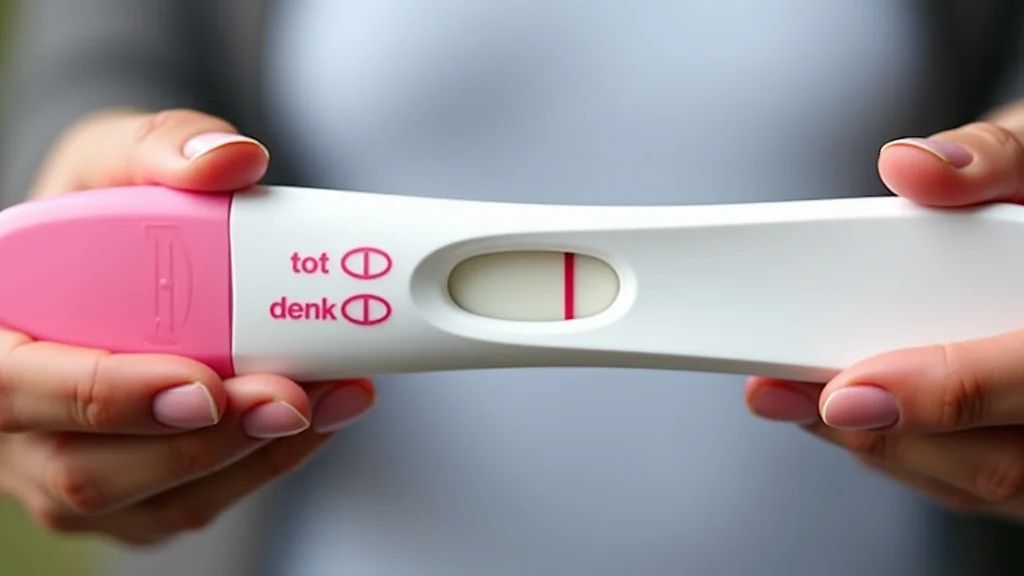
Getting one line on a pregnancy test can be confusing, especially if you’re new to this. It’s totally normal to wonder what this result really signals. This guide breaks down what a single line means in simple terms.
We will walk you through it step by step. Get ready to feel more confident about what your test is telling you.
Key Takeaways
- A single line on a home pregnancy test usually means the test did not detect pregnancy hormones.
- This result often indicates a negative outcome, meaning pregnancy is unlikely.
- Factors like testing too early or using a faulty test can sometimes affect results.
- It is important to follow the test’s instructions carefully for accurate readings.
- Understanding how pregnancy tests work helps in interpreting their results correctly.
Understanding Your Pregnancy Test 1 Line Result
Seeing just one line on a pregnancy test is a common experience for many. This result typically signifies a negative pregnancy test. It means the test did not detect the presence of human chorionic gonadotropin (hCG) in your urine at a level high enough to register a positive result.
hCG is a hormone produced after a fertilized egg implants in the uterus.
For those anticipating a positive outcome, a single line can bring disappointment or confusion. It’s important to remember that home pregnancy tests are designed to be user-friendly, but sometimes results need careful interpretation. This section will explain why you might see one line and what it generally points to.
How Home Pregnancy Tests Work
Home pregnancy tests detect the hormone hCG in your urine. This hormone is produced by the cells that will form the placenta. After conception, hCG levels start to rise quickly.
They typically double every 48 to 72 hours. Early pregnancy tests are designed to detect even small amounts of hCG.
These tests contain antibodies that react with hCG. When urine passes over the test strip, if hCG is present, it binds to these antibodies. This binding causes a chemical reaction that results in a visible line or symbol on the test.
The test has two main areas: the control line and the test line. The control line always appears to show the test is working correctly. The test line appears only if hCG is detected.
The Control Line Versus The Test Line
The control line is your assurance that the test is functioning properly. It should appear regardless of whether you are pregnant or not. If the control line does not appear, the test is invalid, and you should use a new one.
The test line is the one that indicates a potential positive result.
When you get a single line, it is almost always the control line. This means the test mechanism is working. The absence of a second line, the test line, suggests that the hCG hormone was not detected in your urine.
This points towards a negative result for pregnancy.
Reasons for a Single Line Result
There are several reasons why you might see only one line on your pregnancy test. The most straightforward reason is that you are not pregnant. Your body is not producing enough hCG to trigger a positive result.
However, other factors can lead to a single line even if pregnancy has occurred. One common reason is testing too early. If you take the test before your hCG levels have risen sufficiently, you might get a false negative.
This means the test reads negative, but you are actually pregnant.
Testing Too Early
The timing of your test is critical for accuracy. Most pregnancy tests are most reliable when taken on the first day of your missed period, or even a few days after. Some highly sensitive tests can detect pregnancy a few days before your missed period.
If you test very early, your hCG levels might be too low to be detected by the test. For example, if you ovulated later than usual in your cycle, implantation might have occurred more recently. This means there hasn’t been enough time for hCG to build up to detectable levels.
Waiting a few extra days and retesting can provide a clearer result if you suspect early pregnancy.
Diluted Urine
Drinking a lot of fluids before taking a pregnancy test can dilute your urine. This makes the concentration of hCG lower, potentially leading to a false negative. For the most accurate results, it is recommended to use your first-morning urine.
This urine is typically more concentrated.
The first urine you pass in the morning has usually been concentrated in your bladder overnight. This means any hCG present is likely to be in its highest concentration. If you must test at another time of day, try to limit your fluid intake for a few hours beforehand.
This helps ensure your urine is concentrated enough for the test to work optimally.
Faulty Test or Incorrect Usage
Like any product, pregnancy tests can sometimes be faulty. An expired test might not work correctly. Also, not following the instructions precisely can lead to inaccurate results.
This includes how long you wait to read the test and how you hold the absorbent end in your urine stream.
Each pregnancy test comes with specific instructions. It is vital to read and follow these directions carefully. For instance, some tests require you to dip the stick into a cup of urine, while others involve urinating directly on the stick.
Misinterpreting these steps can lead to an incorrect reading of the lines.
What A Single Line Typically Means
When you see one distinct line, it is almost always the control line. This indicates the test is functioning correctly. The absence of a second line, the test line, signifies that no pregnancy hormone was detected.
Therefore, a single line result on a pregnancy test usually means you are not pregnant.
This is the intended outcome for most tests taken by individuals who are not pregnant. It provides a clear indication that your body is not currently showing the hormonal signs of pregnancy. Relying on this result is generally safe, especially if you have followed all instructions and tested at the appropriate time.
When To Retest Or Seek Medical Advice
If you get a single line but still suspect you might be pregnant, it is often a good idea to retest. This is especially true if your period is still delayed. Try testing again in a few days, using your first-morning urine.
If you continue to get single lines but your period remains absent, it is advisable to consult a doctor.
Persistent delayed periods without a positive pregnancy test can sometimes be a sign of other underlying health conditions. A healthcare professional can perform more sensitive tests or investigate further if needed. They can provide a definitive answer and discuss any necessary next steps.
Interpreting Pregnancy Test Results
Understanding how to read a pregnancy test is key to knowing what your result means. Home pregnancy tests are designed to be simple, but variations in line appearance can sometimes cause confusion. The primary goal is to correctly identify the control line and the test line.
This section will guide you through the different possible results and what each one signifies. Knowing what to expect can ease anxiety and help you take the right actions after testing.
Positive Pregnancy Test Results
A positive pregnancy test result typically shows two lines. One is the control line, and the other is the test line. Both lines appear, indicating that hCG has been detected in your urine.
The intensity of the test line can vary. A faint test line generally still means positive, especially if it appears within the specified time frame on the test instructions.
Even a very faint second line should be considered a positive result. It means that hCG is present in your system. This suggests that conception has likely occurred and implantation has taken place.
Following up with a doctor is the next crucial step to confirm the pregnancy and begin prenatal care.
Negative Pregnancy Test Results
A negative pregnancy test result shows only one line, the control line. This signifies that no detectable level of hCG was found in your urine. It indicates that you are likely not pregnant.
If you got this result and your period arrives as expected, you can generally consider the test accurate.
However, as discussed, factors like testing too early or using diluted urine can lead to a false negative. If your period is significantly delayed and you continue to get negative results, it is wise to consult a healthcare provider. They can help determine the reason for the delayed menstruation.
Invalid Pregnancy Test Results
An invalid test result means the test did not work correctly. This usually happens if the control line does not appear at all. If there are no lines, or if lines appear outside the specified reading time, the test may be invalid.
This can occur if the test is expired, faulty, or if you did not follow the instructions properly.
If your test is invalid, you must discard it and use a new one. It’s important to read the instructions again and ensure you perform the test correctly. An invalid result provides no information about your pregnancy status and should not be relied upon.
The Importance of the Control Line
The control line is essential for validating the test. It confirms that the test has absorbed enough urine and that the chemical reaction is occurring as expected. Without a visible control line, the test result is meaningless.
It is the first thing you should check when reading your test.
Most tests show the control line in a specific area, often marked clearly. If this line is absent, it means the test is defective. You cannot trust any other lines that may or may not appear.
Always ensure the control line is present before interpreting the test line.
Factors Affecting Pregnancy Test Accuracy
While home pregnancy tests are highly accurate when used correctly, several factors can influence their reliability. Understanding these factors can help you achieve the most precise results possible.
Ensuring you test under optimal conditions and at the right time significantly increases the chances of getting an accurate reading. Even subtle changes in how you perform the test can make a difference.
Timing of The Test
As mentioned before, timing is paramount. Testing too early is one of the most common reasons for inaccurate results. hCG levels rise gradually after conception.
If you test before your body has produced enough of this hormone, the test may fail to detect it.
For instance, if your menstrual cycle is irregular, it can be harder to pinpoint when your period is due. This makes it more challenging to determine the best time to test. In such cases, waiting a full three weeks after unprotected intercourse is a general guideline for a reliable result, or testing a few days after a missed period.
Medications and Health Conditions
Certain medications can interfere with pregnancy test results. These include fertility drugs that contain hCG. If you are taking such medications, consult your doctor about when and how to test.
Some medical conditions can also affect hCG levels or mask pregnancy symptoms.
Conditions like ovarian cysts or certain types of tumors can sometimes produce hCG, leading to a false positive. Conversely, some conditions might affect hormonal balance, potentially leading to missed periods and confusing test results. If you have concerns about your health impacting test results, medical advice is always best.
Expiration Dates and Storage
Pregnancy tests, like any other diagnostic tool, have expiration dates. Using an expired test can lead to inaccurate results because the chemicals within the test strip may degrade over time. Always check the expiration date on the test packaging before you use it.
Proper storage is also important. Tests should be kept in a cool, dry place, away from direct sunlight and excessive moisture. Storing them in a bathroom, which can be humid, might affect their efficacy.
Following storage recommendations helps maintain the test’s accuracy.
Pregnancy Test 1 Line Common Scenarios
Let’s look at some typical situations where someone might see a single line on a pregnancy test. These scenarios help illustrate the practical application of understanding test results.
Understanding these common cases can help you feel more prepared and less anxious when you take a test yourself.
Scenario 1 The Day Before Your Period
You are one day away from your expected period. You feel a bit anxious and decide to take a pregnancy test. You follow the instructions carefully and wait for the result.
After the allotted time, you see only one line. This is the control line, and there is no test line.
In this situation, a single line almost certainly means you are not pregnant. Your hCG levels are likely too low to be detected, which is normal this close to your period. It is advisable to wait and see if your period arrives.
If it is delayed by several days, you might consider retesting.
Scenario 2 Your Period Is A Week Late
Your period is now a week late. You have experienced no signs of menstruation. You take a pregnancy test using your first-morning urine.
The test shows one clear control line and no sign of a test line.
A single line result when your period is a week late is unusual. While it still technically means negative, it raises questions. It could indicate you tested too early if you miscalculated ovulation, or it might suggest a chemical pregnancy (a very early miscarriage).
It is highly recommended to see a doctor in this scenario. They can perform a blood test for hCG, which is more sensitive and can give a definitive answer. They can also help figure out why your period is delayed.
Scenario 3 You Have Irregular Cycles
You have very irregular menstrual cycles, making it hard to know when you are due for your period. You had unprotected intercourse about three weeks ago and decide to take a test. You get a single line.
With irregular cycles, pinpointing the exact time of ovulation and potential conception is challenging. A single line suggests no pregnancy detected by the test. However, because of the irregular cycle, it’s wise to retest in a week.
If you still get a single line and your period hasn’t started, a doctor’s visit would be beneficial. They can help you understand your cycle and confirm your pregnancy status.
Common Myths Debunked
Frequently Asked Questions
Question: Can I get pregnant if I only see one line on the test
Answer: Generally, if you see only one line on a standard home pregnancy test, it means the test did not detect pregnancy hormones, indicating you are not pregnant. However, very early testing or diluted urine can sometimes cause a false negative where you are pregnant but the test reads negative.
Question: What if the one line is very faint
Answer: If you see one clear line (the control line) and no second line, even a faint one, it is considered a negative result. A faint second line, however, usually indicates a positive result.
Question: Should I take another test if I get one line
Answer: If your period is delayed and you are still concerned, it is often a good idea to retest in a few days, especially using first-morning urine. If you continue to get one line but your period doesn’t arrive, consult a doctor.
Question: Does a single line mean I am definitely not pregnant
Answer: In most cases, yes, a single line means you are not pregnant. However, as with any test, there’s a small chance of error, such as a false negative if taken too early.
Question: Can certain foods or drinks affect a pregnancy test result
Answer: While not directly affecting the test chemicals, consuming large amounts of fluids before testing can dilute your urine, potentially leading to a false negative result. It is best to use first-morning urine which is more concentrated.
Summary
A single line on a pregnancy test usually means negative. This indicates that pregnancy hormones were not detected. Always follow test instructions for best results.
If you are still unsure or your period is late, testing again or seeing a doctor is the best next step. You’ve got this!
Leave a Reply